 EN
EN

The modern athlete's equipment needs have evolved significantly, with specialized gear storage becoming a priority across various court sports. Racket bags have emerged as essential accessories that combine functionality with style, catering to players who demand both performance and convenience. These versatile storage solutions have transcended traditional tennis boundaries, finding applications in badminton, squash, pickleball, and other racquet sports. The growing popularity of racket bags reflects the increasing professionalization of recreational sports and the desire for organized, efficient equipment management.
Early racket storage consisted primarily of simple covers or basic cases that offered minimal protection and organization. These rudimentary solutions provided basic protection but lacked the sophisticated compartmentalization that modern players require. Contemporary racket bags have revolutionized equipment storage with multi-compartment designs, temperature-controlled sections, and ergonomic carrying systems. The transformation from basic covers to comprehensive storage systems reflects the sport industry's understanding of player needs and equipment protection requirements.
Modern racket bags incorporate advanced materials and construction techniques that ensure durability while maintaining lightweight portability. Manufacturers now utilize weather-resistant fabrics, reinforced stress points, and specialized padding to protect valuable equipment. These innovations have made racket bags indispensable for serious players who invest significantly in their sporting equipment. The integration of technology-friendly features like device pockets and charging capabilities demonstrates how these bags have adapted to contemporary lifestyle demands.
The construction materials used in modern racket bags represent significant technological advancement over traditional options. High-performance synthetic fabrics offer superior durability, water resistance, and lightweight characteristics compared to conventional materials. Advanced zipper systems, reinforced stitching, and impact-resistant panels ensure long-term reliability under demanding conditions. These material innovations have directly contributed to the increased adoption of racket bags across different sports disciplines.
Thermal insulation technology has become a standard feature in premium racket bags, protecting strings from temperature fluctuations that can affect performance. Moisture-wicking linings and ventilation systems prevent odor buildup and equipment deterioration. The incorporation of antimicrobial treatments in fabric construction addresses hygiene concerns while extending the bag's useful life. These technological enhancements justify the investment in quality racket bags for serious athletes who understand equipment care's impact on performance.
Tennis players were among the first to adopt specialized racket bags due to the sport's equipment intensity and tournament requirements. Professional tennis demands multiple racquets, string varieties, and extensive accessories, making organized storage essential for competitive success. racket bags designed for tennis typically feature multiple racquet compartments, shoe storage, and specialized pockets for grips, dampeners, and replacement strings. The sport's travel requirements have driven innovations in wheeled designs and airline-friendly dimensions.
Squash and racquetball players have embraced racket bags for their compact efficiency and organizational capabilities. These sports often require quick transitions between matches, making easy access to equipment crucial for competitive play. The controlled indoor environment of these sports allows for lighter-weight bag construction while maintaining protective features. Racket bags designed for these sports typically emphasize quick access and compact storage while providing adequate protection for equipment.
Pickleball's explosive growth has created new demand for specialized racket bags adapted to the sport's unique equipment requirements. Paddle sports players appreciate bags that accommodate larger paddle heads while providing space for balls and accessories. The social nature of pickleball has influenced bag design to include features for tournament participation and group play scenarios. Manufacturers have responded by developing racket bags specifically tailored to paddle sports dimensions and usage patterns.
Badminton players have discovered that racket bags offer superior protection for their delicate equipment compared to traditional storage methods. The sport's emphasis on string tension and shuttle quality makes proper storage crucial for maintaining competitive equipment. International tournament travel requirements have driven demand for TSA-compliant racket bags with security features. The growing popularity of badminton in recreational settings has expanded the market for entry-level racket bags with essential organizational features.
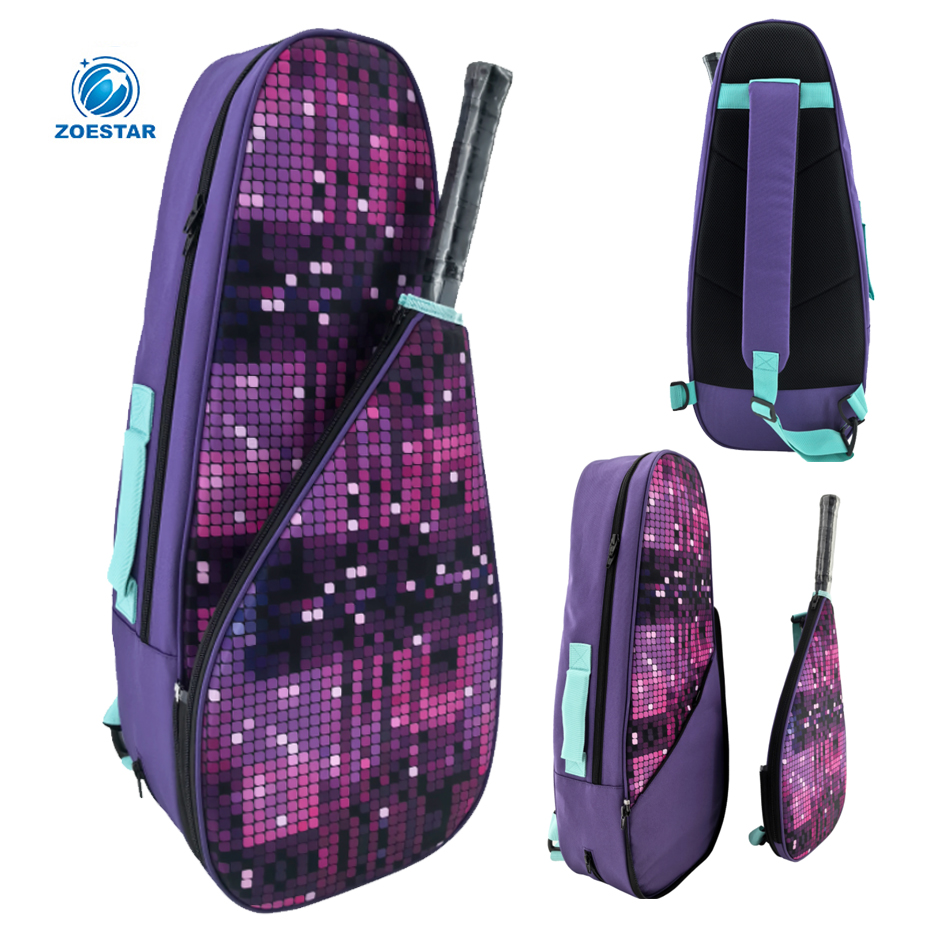
Modern racket bags excel in providing systematic organization through strategically designed compartments that serve specific equipment needs. Separate sections for racquets, shoes, clothing, and accessories eliminate the chaos of mixed storage while protecting delicate equipment from damage. Ventilated shoe compartments prevent odor transfer to other equipment while maintaining easy access for quick changes. These organizational features have become essential for players who participate in multiple sports or maintain extensive equipment collections.
Specialized pockets for valuables, electronics, and personal items address the comprehensive needs of modern athletes who carry more than just sporting equipment. Insulated sections maintain optimal temperature conditions for strings and grips, extending their competitive lifespan. The strategic placement of quick-access pockets allows players to retrieve frequently used items without disrupting the bag's organization. This attention to organizational detail has made racket bags indispensable for serious players across all court sports.
Ergonomic considerations have become paramount in racket bag design as manufacturers recognize the importance of comfortable carrying for extended periods. Padded shoulder straps with strategic weight distribution reduce fatigue during tournament travel or training sessions. Dual carrying options with both shoulder and backpack configurations provide versatility for different transportation scenarios. The integration of wheeled systems in larger bags addresses the needs of players who travel frequently with extensive equipment.
Size optimization has resulted in racket bags that maximize storage capacity while maintaining reasonable dimensions for transportation. Expandable sections accommodate varying equipment loads while maintaining the bag's structural integrity when fully loaded. Compact folding capabilities allow empty bags to be stored efficiently when not in use. These portability enhancements have contributed significantly to the widespread adoption of racket bags across different player demographics and skill levels.
Professional players understand that proper storage significantly impacts string performance and longevity, making racket bags essential for maintaining competitive equipment. Temperature-controlled compartments prevent string tension loss and premature aging caused by environmental fluctuations. Moisture control features protect grips and strings from humidity damage that can compromise performance during critical matches. The investment in quality racket bags often pays for itself through extended equipment life and consistent performance characteristics.
Grip preservation represents another critical benefit of using specialized racket bags designed for court sports. Dedicated grip storage prevents contamination and moisture exposure that can degrade tackiness and comfort. The separation of used and new grips maintains optimal playing conditions while extending replacement intervals. These protective features have made racket bags essential for players who prioritize equipment consistency and performance reliability.
Racquet frame protection has become increasingly important as modern equipment incorporates advanced materials that require careful handling. Padded compartments prevent impact damage during transportation while maintaining easy access for equipment changes. Individual racquet sleeves within the bag eliminate contact between frames that could cause cosmetic damage or affect string tension. The protective features of racket bags have become essential for players who invest in premium equipment that requires careful maintenance.
String bed protection extends beyond basic coverage to include tension maintenance and impact absorption during storage and transport. Specialized compartment design prevents string contact with hard surfaces that could cause premature wear or tension loss. The stable storage environment provided by quality racket bags helps maintain consistent string characteristics throughout their useful life. These protective benefits justify the investment in specialized storage for serious players who understand equipment care's impact on performance outcomes.
The growing demand for personalized racket bags reflects players' desire to express individual style while maintaining functional excellence. Custom embroidery, color selection, and design options allow players to create unique storage solutions that reflect personal preferences and team affiliations. Professional players often require specific branding accommodations that standard bags cannot provide, driving demand for customizable options. This personalization trend has expanded the market appeal of racket bags beyond pure functionality to include fashion and identity expression.
Team and club customization has created new market segments for racket bags with coordinated designs and branding options. Educational institutions and sports clubs seek matching equipment that reinforces team identity while providing functional benefits. The ability to incorporate logos, names, and team colors has made racket bags popular for group purchases and team equipment programs. This customization capability has significantly expanded the market beyond individual purchases to include institutional and organizational buyers.
Market segmentation has resulted in racket bags available across a broad price spectrum, from entry-level options to premium professional-grade equipment. Budget-conscious recreational players can access basic organizational benefits without the advanced features required by competitive athletes. Mid-range options provide balanced functionality and durability for serious recreational players and developing competitors. Premium segments offer professional-grade features and construction for players who demand maximum performance and durability from their equipment.
The price diversity in racket bags has democratized access to organized equipment storage across all skill levels and economic situations. Entry-level bags provide essential compartmentalization and protection without advanced features that increase cost. Progressive feature sets allow players to upgrade their storage solutions as their skills and equipment investments increase. This market approach has contributed to the widespread adoption of racket bags across diverse player populations and geographic markets.
Modern racket bags increasingly incorporate technology integration features that address contemporary lifestyle demands beyond basic equipment storage. Dedicated device pockets with charging capabilities allow players to maintain connectivity during training and tournament participation. USB charging ports and cable management systems keep electronic devices powered and organized during extended sports activities. These technological features have made racket bags relevant to digital-native athletes who expect seamless integration between sports and technology.
Smart storage solutions include RFID tracking capabilities and digital inventory management that help players monitor their equipment. Temperature and humidity monitoring systems provide data about storage conditions that affect equipment performance. Mobile app integration allows players to track bag contents, maintenance schedules, and equipment replacement needs. These advanced features represent the cutting edge of racket bag technology and appeal to tech-savvy athletes who appreciate data-driven equipment management.
Security features in racket bags have become essential as equipment values and theft concerns have increased across sports facilities and tournament venues. Lockable zippers and tamper-resistant closures provide basic security for valuable equipment during unsupervised storage periods. Hidden pockets and security compartments protect valuables and personal items from casual theft during play and travel. These security enhancements have made racket bags more appealing to players who carry expensive equipment and personal items.
Advanced security features include GPS tracking capabilities and proximity alerts that notify owners when bags are moved unexpectedly. Biometric locks and smartphone-controlled access systems provide high-security options for professional players with valuable equipment collections. Cable locks and attachment systems allow secure connection to fixed objects during temporary storage. These sophisticated security features demonstrate how racket bags have evolved to address comprehensive equipment protection needs in modern sports environments.
Many global buyers work with experienced OEM/ODM manufacturers that offer stable production, material flexibility, and quality compliance. Zoestar Bags supports international brands and distributors with customized racket and multi-sport bag solutions across different performance and price segments.
Yes, racket bags are highly versatile and can accommodate equipment for tennis, badminton, squash, racquetball, and pickleball with minor adjustments to organization. The compartmentalization system adapts to different equipment sizes and quantities across various court sports. Many players use the same bag for multiple sports, appreciating the consistent organization and protection features regardless of the specific activity.
Consider your typical equipment load, travel requirements, and storage preferences when selecting racket bag size. Recreational players may need space for 1-2 racquets and basic accessories, while competitive players often require capacity for 6+ racquets plus extensive gear. Evaluate your transportation needs, including airline travel restrictions and storage space availability, to determine optimal bag dimensions for your specific situation.
Premium racket bags justify their cost through superior materials, construction quality, and protective features that extend equipment life and maintain performance characteristics. The investment often pays for itself through reduced equipment replacement costs and enhanced playing experience. Consider your equipment value, usage frequency, and storage requirements when evaluating whether advanced features warrant the additional expense for your specific needs.