 EN
EN

The demand for custom personalized travel bags has surged as travelers seek unique solutions that reflect their individual style and functional needs. Whether you're a business owner looking to create branded merchandise or an individual wanting a one-of-a-kind travel companion, understanding the key considerations before placing an order can save you time, money, and disappointment. From material selection to design specifications, each decision impacts the final product's quality, durability, and overall satisfaction. Making informed choices ensures your investment delivers both aesthetic appeal and practical functionality for years of reliable use.
The foundation of any quality travel bag lies in its material composition, which directly influences durability, weather resistance, and overall lifespan. Premium materials like ballistic nylon, Cordura fabric, and high-denier polyester offer superior tear resistance and can withstand the rigorous handling associated with frequent travel. These materials typically feature tight weaves and enhanced coating treatments that repel water while maintaining breathability. Understanding the denier rating helps determine fabric thickness and strength, with higher numbers indicating more robust construction suitable for heavy-duty applications.
Natural materials such as canvas and leather provide distinctive aesthetics but require different maintenance considerations compared to synthetic alternatives. Canvas offers excellent durability and develops character over time, while leather demands regular conditioning to prevent cracking and maintain flexibility. Synthetic leather alternatives provide similar visual appeal with enhanced resistance to moisture and temperature fluctuations. The choice between natural and synthetic materials often depends on intended use frequency, environmental exposure, and personal maintenance preferences.
Beyond fabric selection, hardware components significantly impact the bag's overall reliability and user experience. High-quality zippers from reputable manufacturers like YKK ensure smooth operation and longevity under repeated use. Metal components should resist corrosion through proper coating or material selection, particularly for bags exposed to varying weather conditions. Buckles, clasps, and adjustment mechanisms require sufficient strength ratings to handle the intended load capacity without failure or excessive wear.
Stitching quality represents another critical durability factor often overlooked during initial evaluation. Double-stitched seams with reinforced stress points prevent premature failure at high-tension areas. Thread quality and compatibility with the chosen fabric ensure seam integrity throughout the bag's service life. Professional manufacturers typically provide detailed specifications regarding hardware brands, thread types, and construction methods, allowing informed quality assessments before order placement.
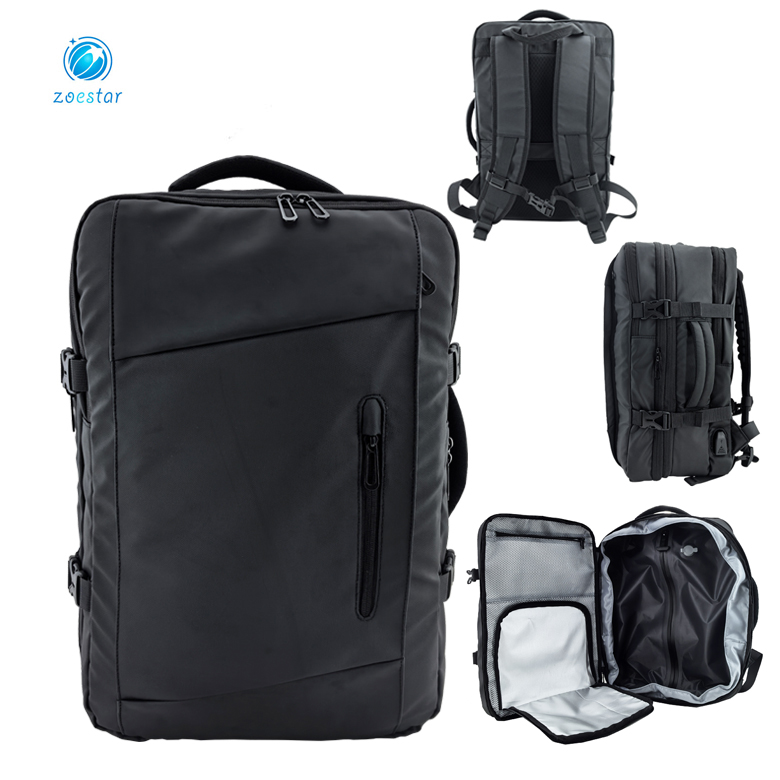
Modern manufacturing offers diverse personalization methods, each with distinct advantages and limitations affecting final appearance and durability. Embroidery provides exceptional longevity and professional appearance, making it ideal for corporate branding and personal monograms. Digital printing allows complex designs with multiple colors but may show wear over time depending on fabric interaction and usage patterns. Heat transfer vinyl offers cost-effective customization for smaller quantities while screen printing delivers consistent results for larger production runs.
Laser engraving creates permanent markings on suitable materials, providing sophisticated branding options that resist fading and wear. Sublimation printing integrates designs directly into fabric fibers, creating vibrant, long-lasting graphics that become part of the material structure. Understanding each technique's compatibility with chosen materials ensures optimal results and prevents disappointment with final appearance or durability. Some methods work better with specific fabric types, while others require minimum order quantities or extended production timeframes.
Determining appropriate size requirements involves balancing capacity needs with travel restrictions and portability preferences. International airline carry-on regulations establish maximum dimensions, while different travel styles demand varying storage configurations. Business travelers often prioritize laptop compartments and organizational features, while leisure travelers may prefer larger main compartments with minimal internal divisions. Understanding intended use patterns helps optimize internal layout and external dimensions for maximum utility.
Capacity specifications should account for typical packing requirements while maintaining comfortable carrying weight when fully loaded. Consider the relationship between external dimensions and internal volume, as padding and structure reduce available storage space. Multiple compartment configurations offer organization benefits but may compromise overall capacity. Custom compartment sizing can accommodate specific items like camera equipment, sports gear, or professional tools, enhancing functional value for specialized applications.
Custom manufacturing requires significantly longer lead times compared to standard product purchases, particularly when incorporating personalization elements or unique specifications. Typical production cycles range from two to eight weeks depending on complexity, customization extent, and manufacturer capacity. Rush orders may be possible but often incur additional costs and may compromise quality control processes. Planning orders well in advance of required delivery dates prevents disappointment and allows adequate time for any necessary revisions or corrections.
Seasonal demand fluctuations affect production scheduling and availability, with peak periods potentially extending normal lead times. Holiday seasons, back-to-school periods, and trade show seasons create increased demand that impacts manufacturer capacity. Understanding these cycles helps optimize order timing for both cost efficiency and timely delivery. Some manufacturers offer priority scheduling options for urgent requirements, though premium pricing typically applies for expedited services.
Reputable manufacturers implement multi-stage quality control processes that include material inspection, construction monitoring, and final product evaluation. Pre-production samples allow design verification and material approval before full production begins, preventing costly mistakes and ensuring expectations alignment. Digital mockups and prototypes help visualize final appearance and identify potential issues early in the development process. Establishing clear approval criteria and communication protocols streamlines the review process and minimizes production delays.
Final inspection procedures should address both aesthetic and functional aspects, including personalization accuracy, hardware operation, and construction integrity. Documented quality standards provide objective evaluation criteria and establish accountability measures for manufacturer performance. Photography documentation of sample products enables remote approval for international orders while maintaining quality oversight. Clear revision policies and correction procedures ensure satisfactory resolution of any identified issues without excessive delays or additional costs.
Understanding the various cost components in custom personalized travel bags helps establish realistic budget expectations and identify potential savings opportunities. Base product costs typically decrease with quantity increases, making bulk orders more economical per unit. Customization charges vary significantly based on technique complexity, color count, and design intricacy. Setup fees for artwork preparation and production tooling may apply regardless of order size, affecting small quantity economics.
Material upgrades, premium hardware selections, and enhanced construction features add incremental costs that compound across larger orders. Shipping expenses, particularly for international orders, represent substantial budget considerations that vary with package size, weight, and delivery timeline requirements. Import duties and taxes may apply depending on country regulations and order value. Comprehensive cost analysis including all fees and charges prevents budget surprises and enables accurate project planning.
Strategic design decisions can optimize value while maintaining quality and functionality requirements. Standardizing certain elements like handle styles or pocket configurations across multiple bag variations reduces tooling costs and complexity. Selecting proven material combinations with established supply chains typically offers better pricing than exotic or newly developed alternatives. Balancing customization extent with budget constraints helps prioritize the most impactful personalization elements.
Order timing flexibility allows manufacturers to optimize production efficiency and potentially offer reduced pricing during slower periods. Combining multiple product types or variations in single orders may qualify for volume discounts while meeting diverse requirements. Alternative personalization techniques might achieve similar visual impact at lower cost, particularly for larger quantity orders where setup fees become less significant per unit.
Selecting qualified manufacturers requires thorough evaluation of production capabilities, quality systems, and industry experience. Established manufacturers with documented track records typically provide more reliable service and consistent quality compared to newer or unproven suppliers. Certifications like ISO 9001 demonstrate commitment to quality management systems, while industry-specific credentials indicate specialized expertise. Customer references and portfolio examples provide valuable insights into manufacturer performance and capability levels.
Production facility assessments, whether through site visits or detailed documentation, reveal important information about equipment capabilities, capacity constraints, and quality control systems. Modern manufacturing equipment generally produces more consistent results with better efficiency compared to outdated machinery. Workforce training levels and experience with similar products indicate ability to execute complex requirements successfully. Financial stability and business longevity suggest reliable partnership potential for ongoing or repeat orders.
Effective communication throughout the manufacturing process requires responsive, knowledgeable support from qualified representatives. Language capabilities, time zone considerations, and preferred communication methods affect interaction efficiency and project coordination. Technical expertise among customer service personnel enables accurate requirement interpretation and appropriate solution recommendations. Clear escalation procedures ensure prompt resolution of issues or concerns that arise during production.
Service standards including response times, update frequency, and problem resolution protocols establish expectations for manufacturer performance. Detailed documentation practices for orders, specifications, and revisions prevent misunderstandings and provide reference materials for future projects. Flexibility in accommodating changes or special requirements indicates customer-focused service orientation. Post-delivery support for warranty issues or additional orders demonstrates long-term partnership potential beyond initial transactions.
Most manufacturers require minimum orders ranging from 25 to 100 units for custom bags, though some specialized suppliers accept smaller quantities with premium pricing. The minimum often depends on customization complexity, with simple embroidery requiring lower quantities than complex printing or unique construction features. Digital printing techniques sometimes allow single-piece orders, while screen printing and embroidery typically require larger minimums to offset setup costs.
Standard production timelines range from 3-6 weeks for basic customization to 8-12 weeks for complex designs or unique specifications. This includes material procurement, manufacturing, quality control, and shipping time. Rush orders may be accommodated with additional fees, potentially reducing timelines by 1-2 weeks. International shipping adds 1-2 weeks depending on destination and selected service level, while customs clearance may introduce additional delays.
Material quality represents the largest cost variable, with premium fabrics and hardware substantially increasing unit prices. Customization complexity, including color count, technique selection, and design intricacy, significantly affects pricing. Order quantity provides the greatest opportunity for cost reduction through volume discounts and setup cost amortization. Additional features like specialized compartments, enhanced padding, or premium zippers add incremental costs that multiply across larger orders.
Many manufacturers offer modification services for existing designs, often providing more cost-effective solutions than completely custom development. Common modifications include size adjustments, color changes, pocket additions, and personalization applications. However, structural changes may require new tooling and pattern development, approaching custom design costs. Discussing modification possibilities early in the planning process helps identify feasible options and associated costs before committing to full custom development.