 EN
EN

Selecting the right pickleball bag can significantly impact your performance and convenience during both practice sessions and competitive tournaments. A well-designed pickleball bag serves as more than just storage—it becomes an essential companion that organizes your equipment, protects your gear, and enhances your overall playing experience. Understanding the key features that define a practical pickleball bag helps players make informed decisions that align with their specific needs and playing frequency.
The modern pickleball bag has evolved considerably from simple duffel bags to sophisticated storage solutions designed specifically for racquet sports. Today's players demand functionality that accommodates multiple paddles, balls, personal items, and accessories while maintaining portability and durability. The best pickleball bag designs incorporate thoughtful compartmentalization, weather-resistant materials, and ergonomic carrying systems that reduce fatigue during transport.
Effective compartment design distinguishes a superior pickleball bag from basic sports bags. Multiple specialized pockets allow players to separate clean and dirty clothing, organize balls by condition, and protect electronic devices from moisture. The main compartment should accommodate at least four paddles with protective sleeves, while secondary compartments handle shoes, towels, and personal belongings. Quick-access exterior pockets prove invaluable during matches when players need immediate access to extra balls or grip tape.
Ventilation systems within compartments prevent odor buildup and moisture retention that can damage equipment. Mesh panels or breathable fabric inserts allow air circulation while maintaining structural integrity. Some advanced pickleball bag models include removable laundry bags or separate ventilated shoe compartments that isolate sweaty items from clean gear. These features become particularly important during multi-day tournaments where players cannot immediately wash equipment between matches.
High-quality materials ensure your pickleball bag withstands frequent use and various weather conditions encountered during outdoor tournaments. Reinforced stitching at stress points prevents tears under heavy loads, while water-resistant coatings protect contents during unexpected rain. Premium bags often feature ripstop nylon or polyester construction that resists punctures and abrasions from rough handling during travel.
Weather protection extends beyond basic water resistance to include UV protection for extended outdoor exposure. Quality zippers with storm flaps prevent moisture infiltration, while reinforced bottom panels resist wear from placement on various surfaces. The most practical pickleball bag designs balance protection with breathability, preventing condensation buildup that could damage paddles or create unpleasant odors in enclosed compartments.
Comfortable transportation becomes crucial when carrying a fully loaded pickleball bag across tournament venues or during extended practice sessions. Padded shoulder straps with adjustable lengths accommodate different body types and carrying preferences. The best designs feature contoured padding that distributes weight evenly across the shoulder and upper back, reducing fatigue during longer carries.
Dual carrying options provide versatility for different situations—adjustable shoulder straps for hands-free transport and reinforced handles for quick grabbing or loading into vehicles. Some pickleball bag models include convertible systems that transform from backpack-style to traditional duffel configuration. This adaptability proves valuable when navigating crowded tournament areas or when storage space requirements vary between venues.
The ideal pickleball bag balances sufficient capacity with manageable size to meet airline carry-on restrictions and tournament venue requirements. Oversized bags become cumbersome and may exceed facility storage limitations, while undersized options force players to carry additional items separately. Standard tournament-ready bags typically accommodate 4-6 paddles, multiple ball containers, complete clothing changes, and essential accessories without becoming unwieldy.
Expandable sections provide flexibility for varying load requirements—compact for daily practice sessions and expandable for tournament travel with extra gear. Compression straps help maintain bag shape and prevent internal shifting when partially loaded. Smart capacity management includes exterior attachment points for items like towels or water bottles that don't require internal storage but need convenient access during play.
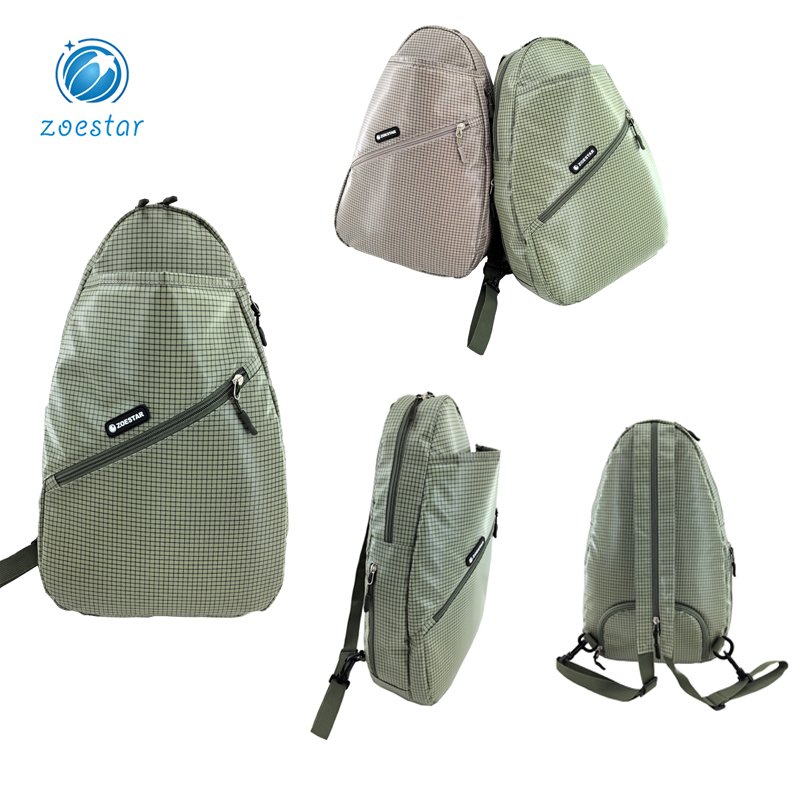
Protecting expensive paddles represents a primary concern for serious players who invest in high-quality equipment. Dedicated paddle compartments with individual slots prevent contact damage between paddles while maintaining easy access during matches. Protective padding within these compartments absorbs impacts from drops or rough handling during transport to tournament locations.
Some advanced pickleball bag designs include thermoformed paddle compartments that maintain consistent internal temperature and protect against extreme weather exposure. Separate slots for backup paddles ensure players always have alternatives available during critical matches. Quick-release systems allow rapid paddle changes between games without requiring complete bag opening, maintaining focus on match preparation rather than equipment management.
Tournament play demands immediate access to various accessories including extra grips, overgrips, dampeners, and medical supplies. Strategically placed exterior pockets provide quick access without requiring full bag opening during time-sensitive situations. Internal organizer panels with elastic loops or zippered pouches prevent small items from migrating within the bag during transport.
Some pickleball bag models include removable accessory pouches that can be carried separately during matches while leaving the main bag in designated storage areas. This separation ensures essential items remain accessible even when tournament rules restrict bag access to specific times. Color-coded zippers or pocket markings help identify specific compartments quickly under pressure situations.
Regular maintenance extends the lifespan of your pickleball bag while ensuring hygienic storage for equipment and personal items. Removable liners or washable interior panels simplify deep cleaning after intensive tournament weekends. Antimicrobial treatments in fabric help prevent bacterial growth and odor development in moist environments common during outdoor play.
Easy-clean exterior surfaces resist stains and allow quick spot cleaning between uses. Some manufacturers design their pickleball bag exteriors with coatings that repel dirt and moisture while maintaining breathability for internal ventilation. Reinforced stress points and quality hardware ensure the bag maintains functionality even after extensive washing cycles required for active tournament schedules.
Proper storage during off-seasons preserves your pickleball bag's structural integrity and extends its functional life. Empty bags should be stored in dry locations with adequate ventilation to prevent mold or mildew development. Periodic inspection of zippers, straps, and attachment points allows early detection of wear that could lead to equipment failure during critical tournament moments.
Temperature-stable storage prevents material degradation that can affect water resistance and fabric flexibility. Some players maintain multiple bags for different purposes—a primary tournament bag and a secondary practice bag that can be rotated to distribute wear patterns. This approach ensures backup availability while extending the overall lifespan of premium pickleball bag investments.
Investing in a quality pickleball bag represents a long-term commitment to equipment protection and playing convenience. Premium bags with superior construction and thoughtful design features often cost more initially but provide better value through extended lifespan and enhanced functionality. Tournament players who travel frequently benefit most from higher-end options that withstand rigorous use while protecting expensive paddle investments.
Budget-conscious players can find practical pickleball bag options that provide essential functionality without premium features. The key lies in identifying which features are truly necessary for individual playing patterns and tournament participation levels. Recreational players may prioritize basic organization and durability over specialized tournament features, while competitive players require comprehensive functionality that justifies higher investment levels.
Established manufacturers often provide better warranty coverage and customer support for their pickleball bag products. Comprehensive warranties demonstrate manufacturer confidence in construction quality while providing protection against premature failure. Some companies offer repair services or replacement parts that extend bag lifespan beyond typical warranty periods.
Reading reviews from other tournament players provides insights into real-world performance that supplement manufacturer specifications. Long-term durability reports help identify potential weak points or design flaws that might not appear during initial evaluation. Professional player endorsements can indicate superior performance under competitive conditions, though personal needs may vary from professional requirements.
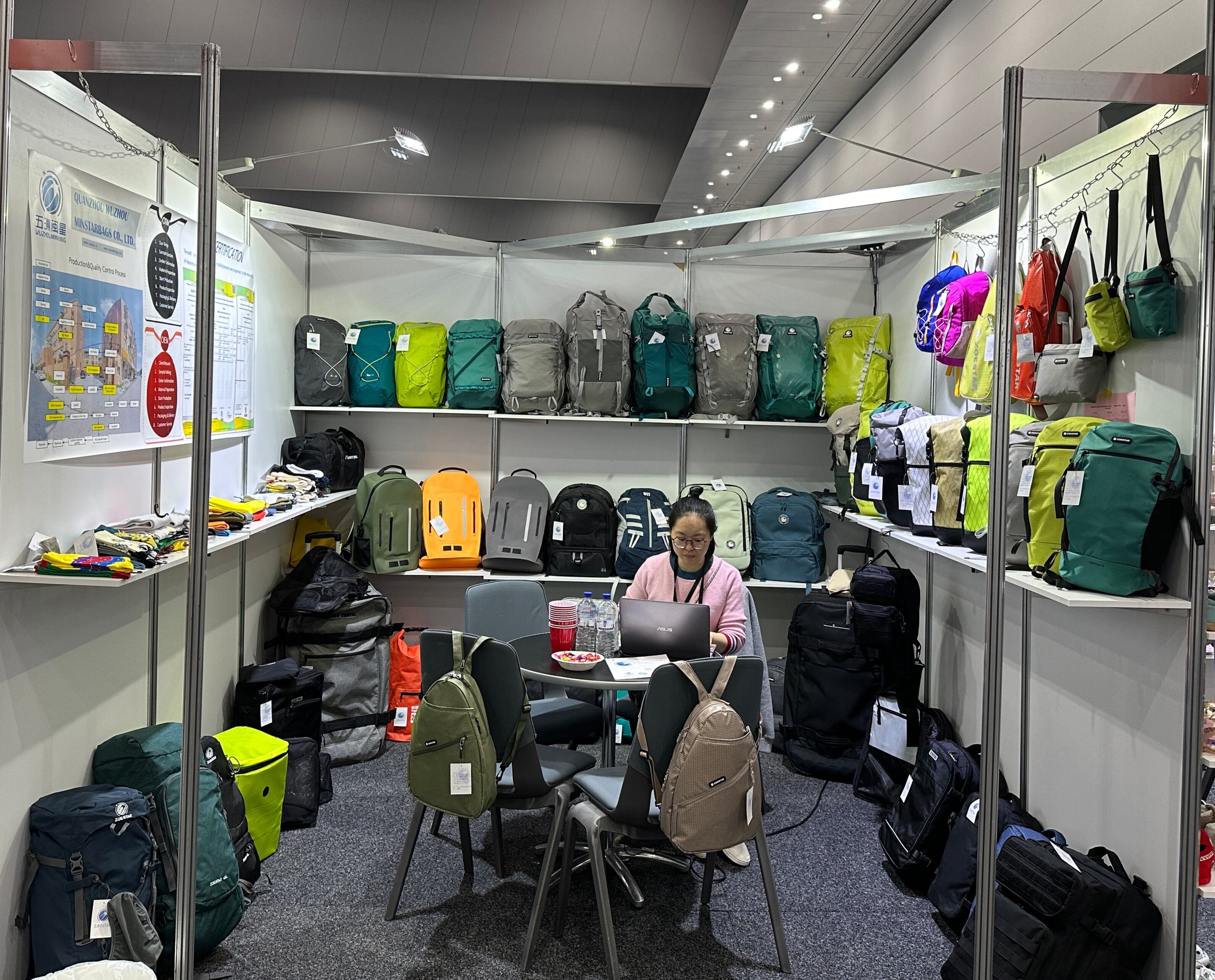
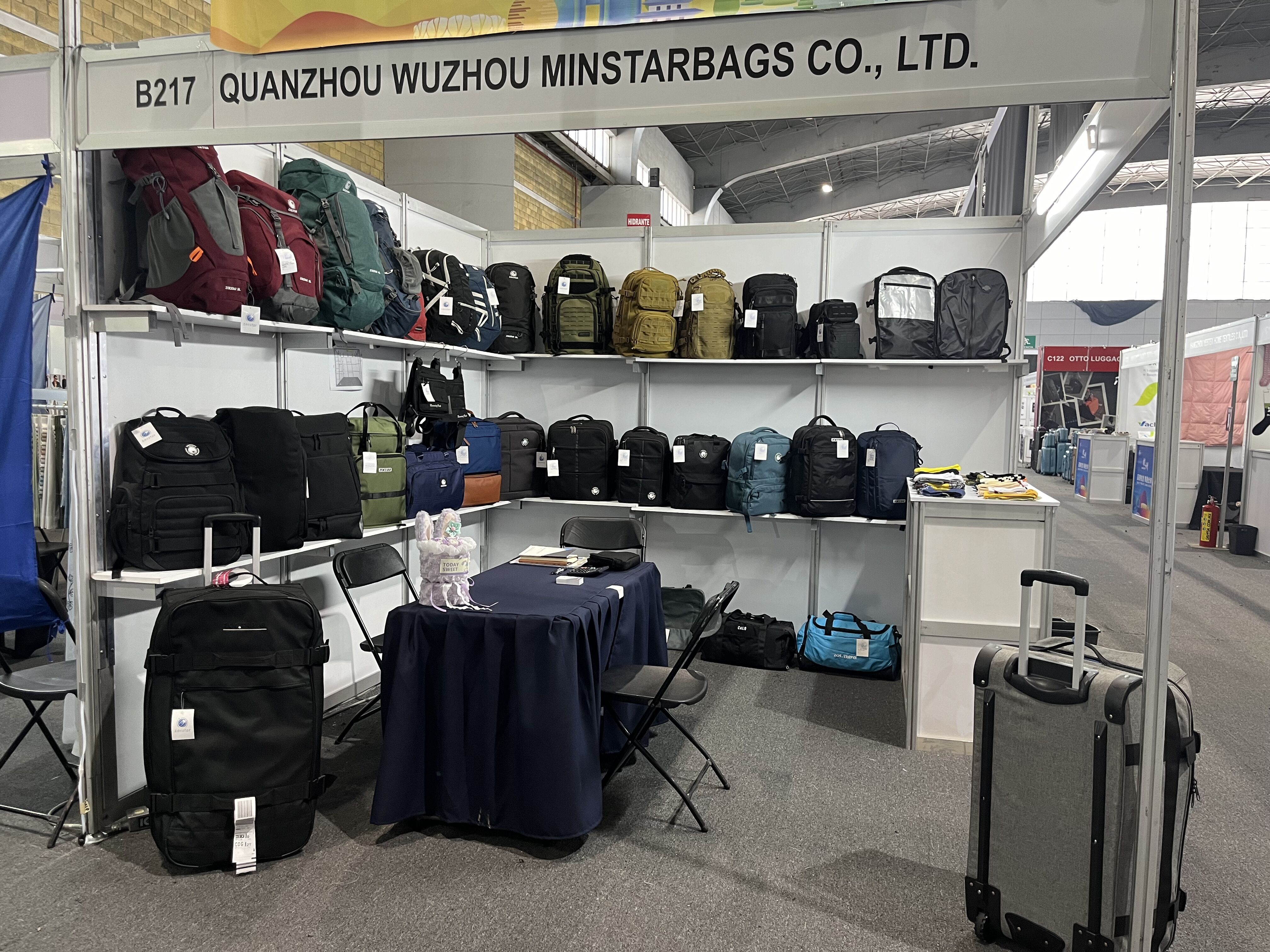
Brands usually focus on bag structure, material durability, compartment design, and reliable OEM or ODM support for long-term supply. Wuzhou Minxing Bags, a BSCI- and GRS-certified OEM factory, provides customized pickleball and racquet sport bag solutions for international brands and distributors.
Essential weatherproofing includes water-resistant zippers with storm flaps, treated fabric that repels moisture while maintaining breathability, and reinforced seams that prevent water infiltration. UV protection becomes important for extended outdoor exposure, while quick-drying materials prevent prolonged moisture retention. A quality pickleball bag should protect contents from light rain without requiring additional covering, though severe weather may necessitate supplemental protection.
Most tournament-suitable pickleball bag designs fall within airline carry-on dimension limits, though fully loaded bags may exceed weight restrictions. Check specific airline policies before travel, as sports equipment sometimes receives special consideration. Some players prefer slightly smaller bags that definitely meet carry-on requirements, accepting reduced capacity to ensure their equipment stays with them during travel to important tournaments.
Regular cleaning prevents odor buildup and material degradation that shortens bag lifespan. Empty and air-dry the bag after each use, especially following outdoor play in humid conditions. Inspect zippers and hardware periodically for signs of wear, lubricating zippers as needed to prevent jamming. Store the bag in dry conditions when not in use, and rotate between multiple bags if possible to distribute wear patterns and extend overall equipment life.