 EN
EN

The global sports equipment market is experiencing unprecedented growth, with racket bags emerging as one of the most sought-after accessories among athletes and recreational players worldwide. This surge in demand reflects broader market trends that encompass changing consumer preferences, technological advancements, and the increasing popularity of racket sports across diverse demographics. Understanding these market dynamics is crucial for manufacturers, retailers, and consumers who want to stay ahead of the curve in this rapidly evolving industry.
Tennis participation has reached new heights globally, with millions of new players joining courts annually. This growth directly translates to increased demand for specialized equipment storage solutions, particularly racket bags that can accommodate multiple racquets and accessories. Professional tournaments and media coverage have inspired casual players to invest in quality gear, driving the premium segment of the racket bags market significantly upward.
Youth tennis programs have expanded dramatically across developed and emerging markets, creating a new generation of players who require appropriate equipment storage. Tennis facilities are reporting record membership numbers, with many clubs experiencing waiting lists for court time. This sustained interest in tennis translates directly to consistent demand for racket bags across all price segments.
Badminton has evolved from a recreational backyard activity to a serious competitive sport in many regions, particularly in Asia-Pacific markets. The sport's accessibility and relatively low barrier to entry have made it popular among diverse age groups, creating substantial demand for badminton-specific racket bags. Professional badminton leagues and international competitions have elevated the sport's profile, encouraging more players to invest in quality equipment storage solutions.
Corporate wellness programs increasingly include badminton as a team-building activity, requiring companies to purchase equipment sets that include racket bags for employee use. This B2B market segment represents a significant growth opportunity for manufacturers who can provide bulk solutions while maintaining individual quality standards.
Modern racket bags incorporate cutting-edge materials that offer superior durability, weather resistance, and lightweight construction. Manufacturers are utilizing high-performance synthetic fabrics, reinforced stitching, and water-resistant coatings that extend product lifespan significantly. These technological improvements justify higher price points while delivering enhanced value to consumers who demand reliable equipment protection.
Smart textile integration is becoming increasingly common in premium racket bags, with features like antimicrobial treatments, odor resistance, and temperature regulation. These innovations address common pain points experienced by active players who need their gear to perform consistently across various environmental conditions and usage scenarios.
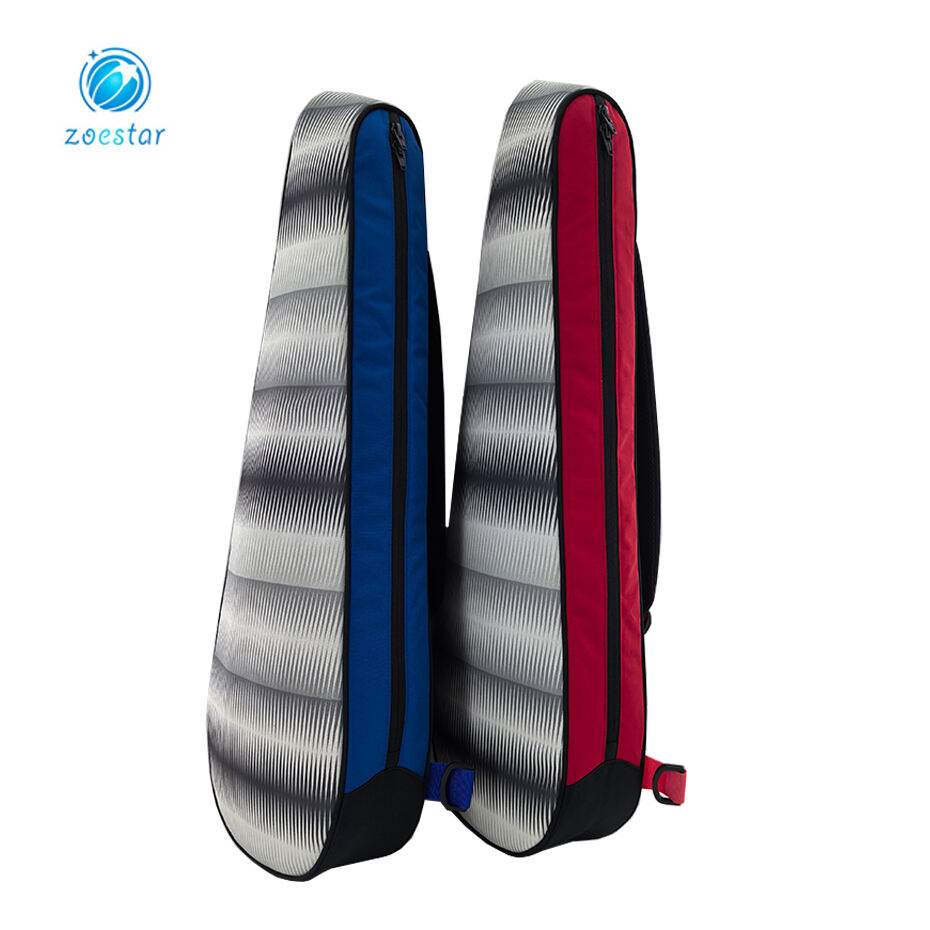
Ergonomic considerations have become paramount in racket bags design, with manufacturers investing heavily in research to reduce user fatigue and improve comfort during transport. Padded shoulder straps, back panels with ventilation channels, and weight distribution systems are now standard features that consumers expect. These improvements have made racket bags more appealing to players who previously relied on generic sports bags.
Convertible designs that allow bags to function as backpacks, shoulder bags, or hand-carried cases provide versatility that modern consumers value highly. This adaptability addresses different transportation scenarios and user preferences, making single-bag solutions more attractive than purchasing multiple specialized carriers.
Growing health awareness has led to increased participation in physical activities, with racket sports benefiting significantly from this trend. Consumers are viewing sports equipment, including racket bags, as investments in their long-term health and wellbeing. This mindset shift has created willingness to pay premium prices for products that enhance their sporting experience and equipment protection.
The integration of fitness tracking and social sharing into sports activities has made equipment aesthetics more important than ever. Players want racket bags that not only function well but also complement their personal style and project a professional image both on and off the court.
Urban populations increasingly seek portable recreation options that fit their mobile lifestyles, making racket sports particularly attractive for city dwellers. The need for compact, efficient storage solutions has driven demand for racket bags that maximize space utilization while maintaining equipment protection. Public transportation compatibility has become a key consideration for urban consumers who need to carry their gear efficiently.
Sports tourism and traveling for competitions or recreational play has grown substantially, creating demand for racket bags with enhanced portability features. Airlines' baggage restrictions and handling concerns have made protective storage solutions essential for players who travel with their equipment regularly.
The shift toward online shopping has dramatically expanded market reach for racket bags manufacturers, allowing specialized brands to connect directly with consumers worldwide. E-commerce platforms provide detailed product information, customer reviews, and comparison tools that help buyers make informed decisions about racket bags purchases. This transparency has raised quality expectations while creating opportunities for innovative brands to gain market share.
Digital marketing strategies have enabled targeted advertising to specific player demographics, increasing awareness of specialized racket bags among relevant consumer segments. Social media influencers and professional players showcasing equipment have created aspirational demand that drives sales across multiple price categories.
Online platforms have made customization services more accessible, allowing consumers to personalize their racket bags with names, logos, or custom color schemes. This personalization trend has created additional revenue streams while increasing customer satisfaction and brand loyalty. Team orders and corporate branding opportunities have expanded the market beyond individual consumers.
Direct-to-consumer sales models have enabled manufacturers to gather detailed customer feedback and preferences, informing product development and improving market responsiveness. This data-driven approach has accelerated innovation cycles and improved alignment between product features and consumer needs.
The Asia-Pacific region dominates global racket bags consumption, driven by strong badminton and table tennis traditions in countries like China, Indonesia, and Malaysia. Government investments in sports infrastructure and youth development programs have created sustained demand growth that benefits the entire supply chain. Manufacturing capabilities in this region have also enabled competitive pricing while maintaining quality standards.
Rising disposable incomes in emerging Asian markets have expanded the addressable consumer base for premium racket bags significantly. Middle-class growth in countries like India and Vietnam has created new market segments that value quality equipment storage solutions and are willing to pay for enhanced features and durability.
Mature markets in North America and Europe demonstrate steady demand growth driven by replacement purchases and premium segment expansion. Tennis culture in these regions supports higher average selling prices, with consumers willing to invest in racket bags that offer superior functionality and brand prestige. Seasonal patterns in these markets create opportunities for strategic inventory management and promotional campaigns.
Sustainability concerns in developed markets have influenced product development priorities, with eco-friendly materials and manufacturing processes becoming increasingly important purchase factors. Brands that successfully address environmental concerns while maintaining performance standards are gaining competitive advantages in these conscious consumer segments.
Professional tournaments provide significant visibility for racket bags through television broadcasts and online streaming, creating aspirational demand among recreational players. Equipment endorsements by top players influence consumer preferences and drive sales for specific brands and models. Tournament logistics and player travel requirements have also influenced bag design priorities, emphasizing durability and functionality.
Sponsorship agreements between brands and professional players, academies, or tournaments create authentic marketing opportunities that resonate with target consumers. These partnerships often drive innovation as brands work to meet the specific requirements of elite players while making those features accessible to broader markets.
Investment in youth sports programs by equipment manufacturers has created long-term brand loyalty while expanding the overall market for racket bags. School partnerships and academy sponsorships introduce quality equipment storage solutions to developing players who may become lifelong customers. These programs also provide valuable feedback for product development and market research initiatives.
Coaching certification programs and instructor training often include equipment recommendations, creating professional endorsement channels that influence purchasing decisions. The integration of proper equipment care and storage education into instruction has raised awareness about the importance of quality racket bags among new players.
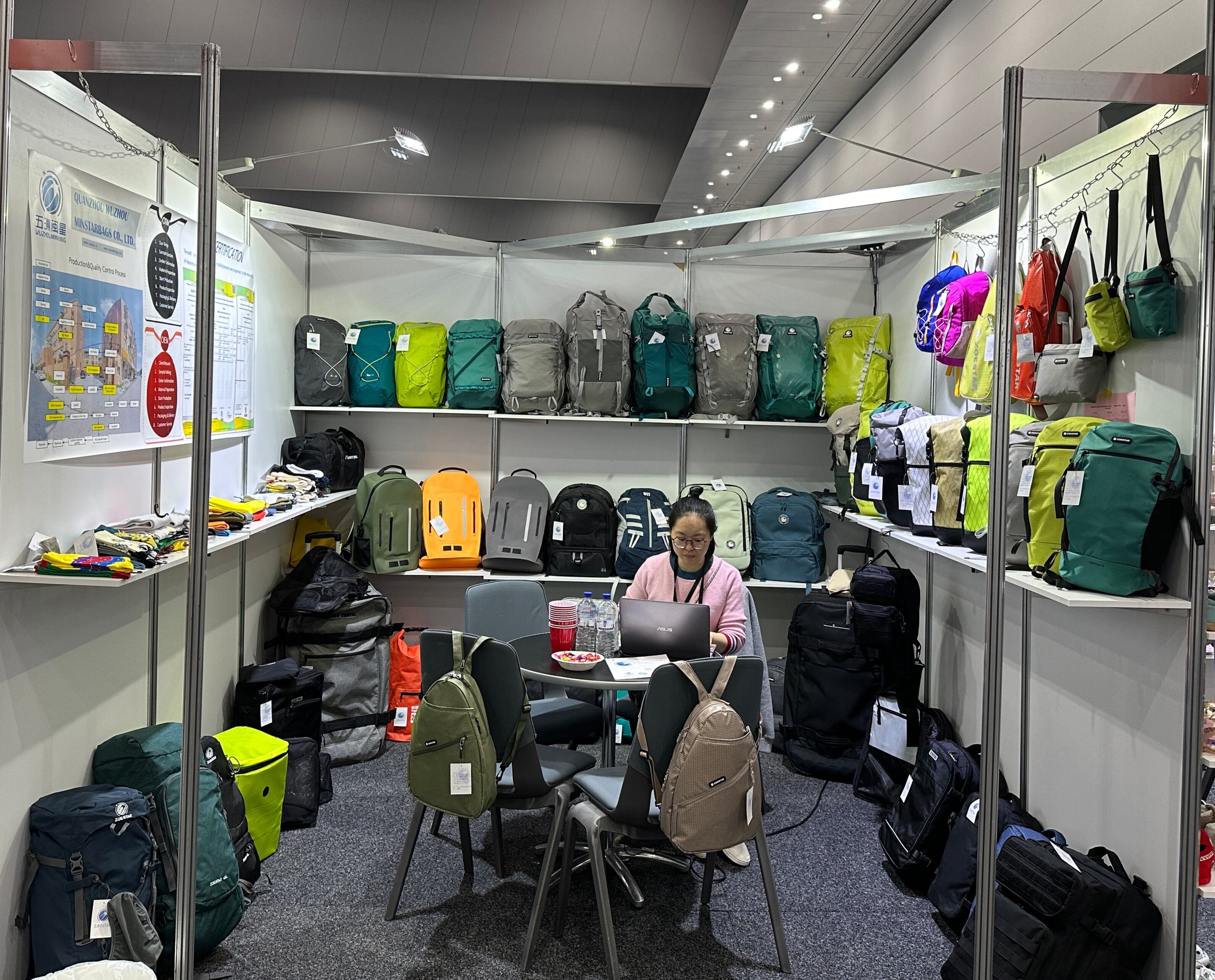
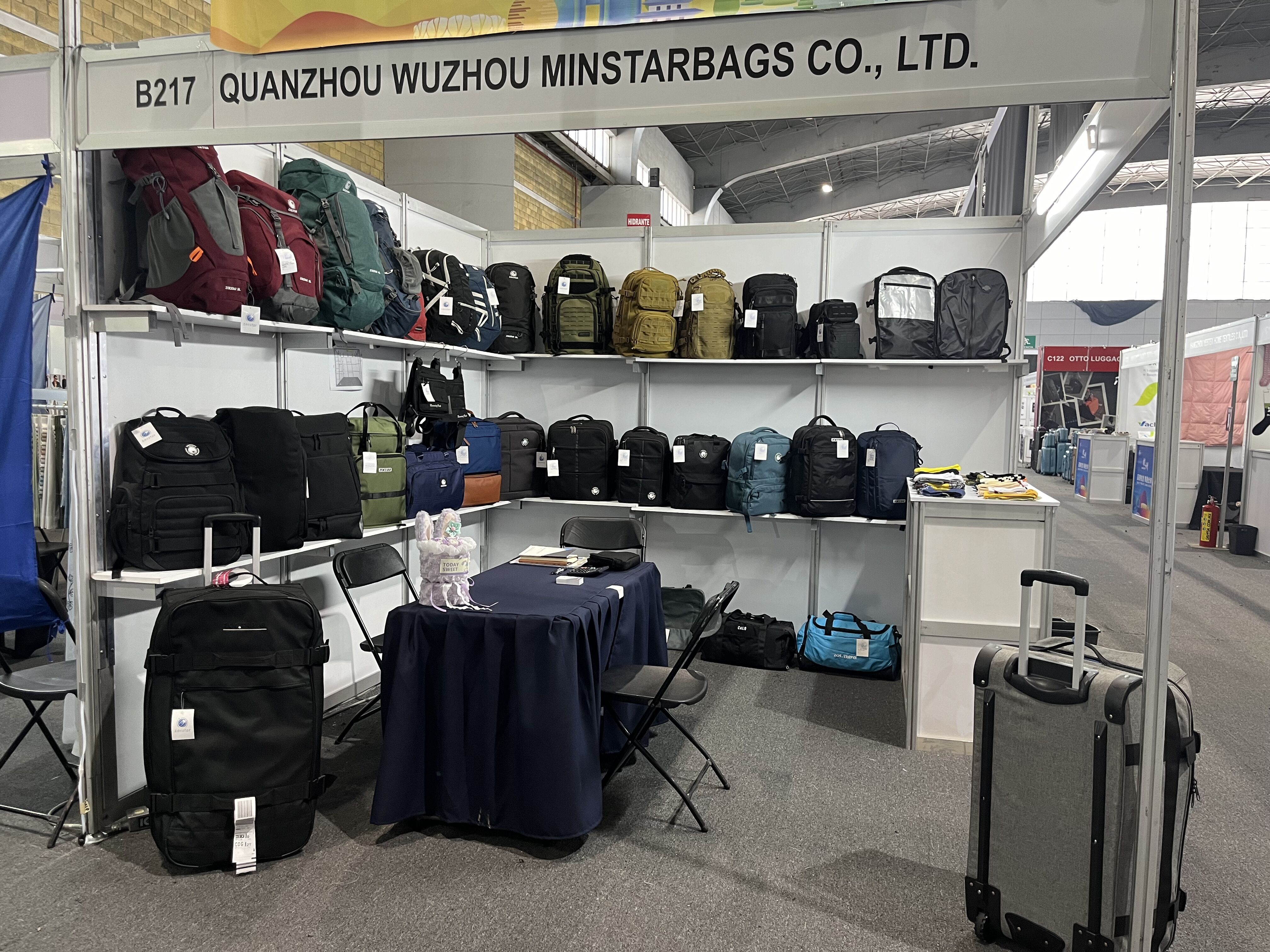
As demand rises across tennis, badminton, and emerging racket sports, many brands partner with manufacturers that can handle scalable production, material innovation, and private-label development. Zoestar Bags works with international clients to develop market-ready racket bag solutions aligned with different regional and consumer demands.
Sustainability has become a significant market driver, with consumers increasingly seeking racket bags made from recycled materials or produced through environmentally responsible processes. Manufacturers are responding by developing eco-friendly product lines, implementing take-back programs, and improving packaging sustainability. This trend has created differentiation opportunities while addressing growing environmental consciousness among sports equipment consumers.
Price sensitivity varies significantly across consumer segments, with recreational players often seeking value-oriented options while competitive players invest in premium features. Market research indicates that durability and functionality justify higher prices more effectively than brand prestige alone. The emergence of direct-to-consumer brands has increased price competition while maintaining quality standards across multiple market segments.
Seasonal demand patterns create opportunities for strategic marketing and inventory management, with peak sales typically occurring during back-to-school periods and holiday seasons. Summer months show increased demand in outdoor-focused markets, while indoor sports maintain more consistent year-round patterns. Retailers and manufacturers use these patterns to optimize promotion timing and new product launches for maximum market impact.