 EN
EN

When it comes to heavy-duty travel and transportation needs, selecting the right luggage can make all the difference between a smooth journey and a frustrating experience. A rolling duffle bag combines the spacious capacity of traditional duffle bags with the convenience of wheeled mobility, making it an ideal choice for travelers who need to transport substantial amounts of gear. Whether you're heading on an extended business trip, planning a sports expedition, or simply need reliable luggage for frequent travel, understanding the essential features of a quality rolling duffle bag will help you make an informed purchasing decision.
The foundation of any reliable rolling duffle bag lies in its construction materials. High-quality bags typically feature heavy-duty nylon, polyester, or canvas fabrics with denier ratings of 600D or higher. These materials provide excellent resistance to tears, punctures, and general wear that occurs during heavy use. The fabric should also incorporate water-resistant or waterproof coatings to protect your belongings from moisture exposure during transit or outdoor activities.
Reinforcement points deserve special attention when evaluating construction quality. Look for double or triple stitching at stress points such as handle attachments, wheel housings, and corner seams. These areas experience the most strain during transport and require additional reinforcement to prevent premature failure. Quality manufacturers often use bartacking or box-stitching techniques at these critical junctions to ensure long-term durability.
Heavy-duty zippers represent another crucial element in rolling duffle bag construction. YKK or similarly reputable zipper brands offer superior reliability compared to generic alternatives. The zipper tracks should be wide enough to handle frequent opening and closing without binding or catching. Self-healing coil zippers work particularly well for duffle bags as they resist separation even when subjected to stress from overpacking.
Metal hardware components including buckles, D-rings, and zipper pulls should demonstrate corrosion resistance and structural integrity. Plastic components, while lighter, may not withstand the rigors of heavy use as effectively as metal alternatives. The hardware should feel substantial in your hands and show no signs of flexing or weakness when manipulated.
The wheel system fundamentally defines the functionality of any wheeled luggage. Most rolling duffle bags feature either two or four-wheel configurations, each offering distinct advantages. Two-wheel systems typically provide better stability when the bag is tilted for rolling, making them ideal for navigating uneven surfaces or stairs. The wheels should be recessed or protected to prevent damage during handling or storage.
Wheel bearings and construction materials significantly impact long-term performance. Inline skate-style wheels with sealed bearings offer smooth rolling action and resist debris infiltration better than basic plastic wheels. The wheel diameter also affects performance, with larger wheels rolling more easily over cracks, curbs, and irregular surfaces commonly encountered during travel.
A well-designed telescoping handle system should extend smoothly and lock securely at multiple height positions to accommodate users of different statures. The handle tubes should be constructed from aluminum or steel rather than plastic for enhanced durability. Look for handles with comfortable grips that won't become slippery when wet or cause hand fatigue during extended pulling.
Multiple grab handles positioned around the bag perimeter provide versatility for lifting and maneuvering in tight spaces. Padded handles reduce hand fatigue and improve grip comfort, particularly important when lifting heavy loads. The handle attachment points should be reinforced with additional fabric layers or stress-distributing panels to prevent tearing under load.
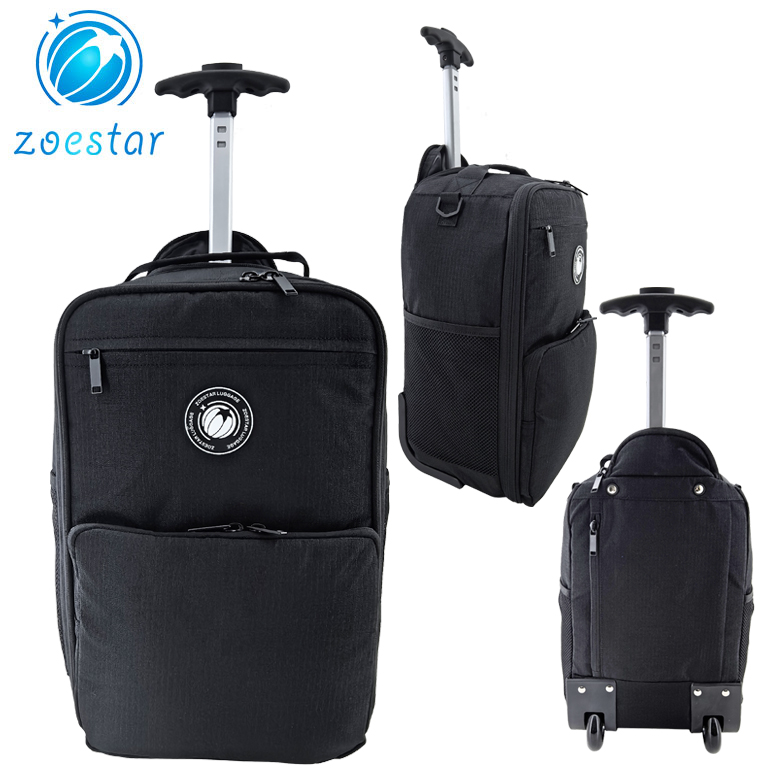
The primary storage compartment should offer generous capacity while maintaining reasonable dimensions for airline compliance if air travel is anticipated. U-shaped zipper openings provide full access to the main compartment, making packing and unpacking more efficient than traditional top-loading designs. Internal compression straps help secure contents and prevent shifting during transport.
Expandable designs offer additional packing flexibility through zippered expansion panels that can increase capacity by 15-25% when needed. This feature proves particularly valuable for return trips when you've acquired additional items or need to accommodate varying load requirements for different types of travel.
Organizational pockets and compartments enhance the practicality of a rolling duffle bag by providing designated spaces for different types of items. External pockets offer quick access to frequently needed items without requiring you to open the main compartment. These pockets should feature secure closures and water-resistant zippers when possible.
Internal organization systems might include mesh pockets, zippered compartments, or removable packing cubes that help separate clean and dirty clothing or organize different categories of gear. Some bags feature dedicated compartments for shoes or wet items, which prove invaluable for sports equipment or beach travel scenarios.
Proper weight distribution affects both the bag's rolling characteristics and your comfort when maneuvering it. The wheel placement should position the bag's center of gravity appropriately to prevent tipping when loaded. Wide-set wheels generally provide better stability than narrow configurations, particularly important for heavier loads.
When the bag is lifted, the weight should feel balanced rather than bottom-heavy or awkward. Multiple carrying handles positioned at different points allow you to adjust your grip based on the lifting situation and help distribute weight more evenly across your body when necessary.
Versatile carrying options increase the bag's utility across different travel scenarios. Removable shoulder straps transform the wheeled bag into a traditional duffle for situations where rolling isn't practical, such as hiking to a campsite or navigating stairs in older buildings. The strap attachment points should be reinforced and positioned to balance the load when carrying.
Some designs incorporate backpack-style straps that can be deployed when hands-free carrying becomes necessary. These conversion features should store neatly when not in use to avoid snagging or creating bulk during wheeled transport modes.
Understanding airline size and weight restrictions helps ensure your rolling duffle bag remains compliant for various travel scenarios. Carry-on size limitations vary between airlines and aircraft types, but most domestic carriers accept bags measuring approximately 22 x 14 x 9 inches. International travel may involve different size standards, so researching specific airline policies becomes important for frequent travelers.
Weight restrictions for checked baggage typically range from 50-70 pounds for standard tickets, though premium cabin classes often allow higher limits. Consider the empty weight of your bag when calculating how much gear you can pack while remaining within airline guidelines. Lighter bag construction allows for more packed content within weight restrictions.
The ideal rolling duffle bag should accommodate multiple use scenarios beyond just travel. Sports teams often require bags that can handle equipment transport to and from practice facilities or competition venues. The bag should withstand repeated loading and unloading cycles while protecting valuable gear from damage or contamination.
Business travelers need professional-appearing luggage that can transition from airport terminals to hotel lobbies without looking out of place. The design should balance ruggedness with aesthetic appeal, featuring colors and styling appropriate for professional environments while maintaining the durability needed for frequent use.
Regular maintenance extends the lifespan of your rolling duffle bag and ensures continued reliable performance. The exterior fabric should be cleanable with mild soap and water, while more stubborn stains might require specialized fabric cleaners. Avoid harsh chemicals that could damage water-resistant coatings or cause fabric degradation over time.
Wheel maintenance involves periodic cleaning to remove debris that accumulates in the bearings and axles. Spinning the wheels occasionally while cleaning helps identify developing issues before they cause complete failure. Lubrication may be necessary for some wheel types, though sealed bearing systems typically require minimal maintenance.
Proper storage between uses helps maintain your bag's condition and prevents premature aging. Store the bag in a clean, dry environment away from direct sunlight, which can fade colors and weaken fabric fibers over time. Ensure zippers are closed but not overly stressed, and consider using dust covers for long-term storage periods.
Avoid storing heavy items inside the bag during extended periods, as this can cause permanent deformation of the structure or stress the wheel systems unnecessarily. Periodic inspection during storage allows you to identify and address potential issues before they become problematic during actual use.
Rolling duffle bags span a wide price range from budget-friendly options under $100 to premium models exceeding $500. Budget bags typically offer basic functionality with simpler construction materials and fewer organizational features. While these may suffice for occasional use, frequent travelers often find that investing in higher-quality options provides better long-term value through increased durability and enhanced features.
Mid-range options generally offer the best balance of features and affordability for most users. These bags typically include quality wheel systems, durable fabrics, and useful organizational features without the premium pricing associated with luxury brands. The sweet spot for many travelers falls within the $150-300 range, where quality construction meets reasonable pricing.
When evaluating price versus value, consider the bag's expected lifespan and frequency of use. A higher initial investment in quality construction often results in lower per-use costs over the bag's lifetime compared to repeatedly replacing cheaper alternatives. Professional travelers who use their luggage extensively typically find that premium bags justify their higher costs through superior durability and reliability.
Warranty coverage provides additional value protection and demonstrates manufacturer confidence in their product. Look for warranties that cover both materials and workmanship defects, ideally for periods of two years or longer. Some manufacturers offer repair services for premium bags, extending their useful life even further.
For carry-on purposes, select bags measuring no more than 22 x 14 x 9 inches to ensure compatibility with most domestic airlines. If you plan to check the bag, you can choose larger sizes up to 32 inches in length, but always verify specific airline policies before traveling as restrictions can vary between carriers and destinations.
Clean wheels regularly by removing debris from the wheel wells and axles using a damp cloth or soft brush. Spin the wheels periodically to ensure smooth operation and listen for unusual noises that might indicate bearing problems. For wheels with serviceable bearings, apply light machine oil annually or as recommended by the manufacturer.
Quality rolling duffle bags with appropriate construction can handle outdoor conditions reasonably well, though they're not specifically designed for extreme environments. Look for water-resistant fabrics and robust wheel systems if you plan outdoor use. However, for serious outdoor adventures, consider specialized outdoor gear bags designed specifically for harsh conditions.
Two-wheel systems typically offer better stability when pulling the bag at an angle and work better on uneven surfaces like stairs or rough pavement. Four-wheel systems allow the bag to roll upright beside you and maneuver more easily in tight spaces, but may be less stable on slopes and more susceptible to wheel damage during handling.