 EN
EN

The global sports equipment industry has witnessed unprecedented growth, with badminton bag manufacturing emerging as a specialized segment requiring precise attention to quality, durability, and functionality. Modern athletes and recreational players alike demand equipment that can withstand rigorous use while maintaining aesthetic appeal and practical utility. Understanding the critical factors that influence long-term quality in badminton bag manufacturing is essential for manufacturers, retailers, and consumers who seek products that deliver exceptional value and performance over extended periods.
The manufacturing landscape for sports bags has evolved significantly, incorporating advanced materials, innovative design methodologies, and stringent quality control processes. Badminton bag manufacturing specifically requires consideration of unique factors such as racket protection, shuttlecock storage, moisture resistance, and portability. These specialized requirements distinguish badminton bags from generic sports bags and necessitate targeted manufacturing approaches that prioritize both immediate functionality and long-term durability.
The foundation of superior badminton bag manufacturing lies in selecting premium materials that can withstand constant use, weather exposure, and physical stress. High-grade nylon, polyester, and canvas fabrics serve as primary materials, each offering distinct advantages in terms of durability, weight, and water resistance. Manufacturers must evaluate denier ratings, weave patterns, and coating treatments to ensure optimal performance characteristics that align with intended usage scenarios.
Advanced fabric technologies incorporate ripstop weaves, which prevent small tears from expanding into larger damage, significantly extending the bag's lifespan. Additionally, modern badminton bag manufacturing utilizes PU coatings and DWR treatments that provide water repellency without compromising breathability. These technological enhancements require careful selection and testing to ensure compatibility with other manufacturing processes and components.
Zippers, buckles, straps, and reinforcement hardware represent critical failure points in bag construction, making their quality paramount to long-term performance. Premium YKK zippers, marine-grade buckles, and reinforced stitching points contribute significantly to overall product longevity. Badminton bag manufacturing demands hardware that can handle frequent opening and closing cycles while maintaining smooth operation and structural integrity under load.
Metal components require corrosion-resistant treatments, particularly in humid environments where badminton is frequently played. Powder coating, anodizing, and stainless steel construction prevent rust and degradation that could compromise bag functionality. Manufacturers must balance cost considerations with quality requirements to deliver products that meet both market expectations and profit margins.
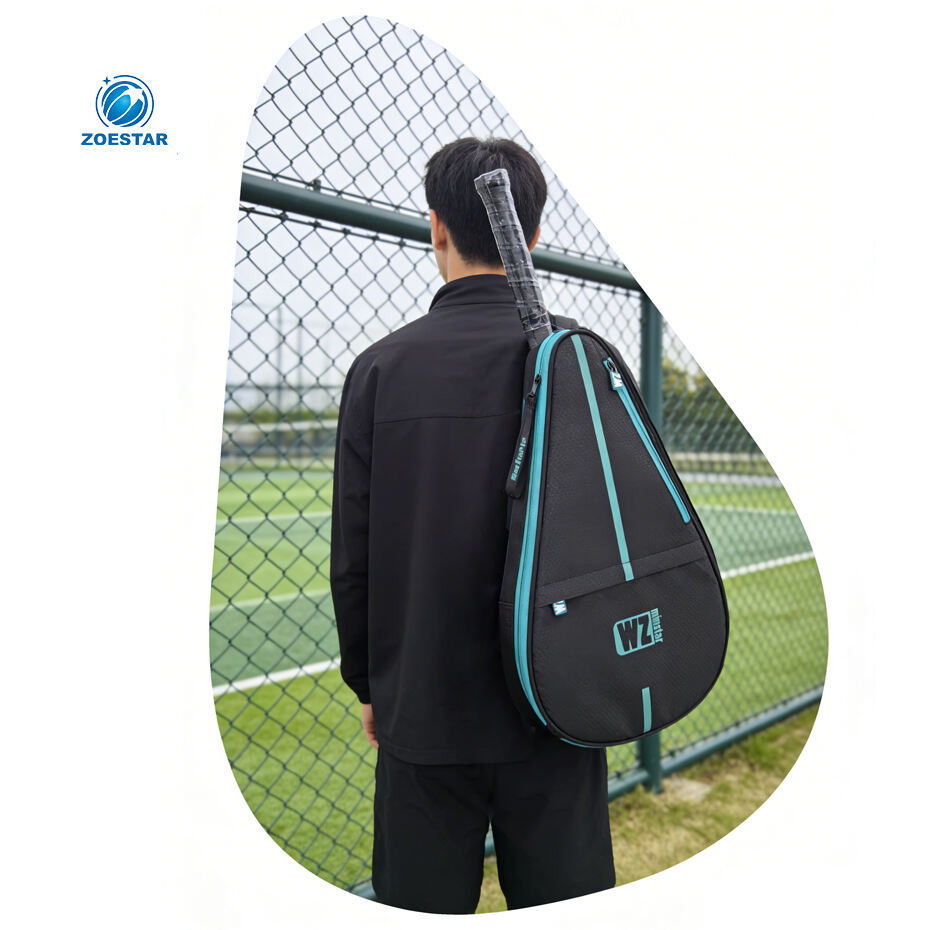
Effective badminton bag manufacturing requires sophisticated understanding of player needs and equipment organization requirements. Multiple compartments must accommodate rackets, shuttlecocks, shoes, clothing, and personal items while maintaining easy access and protection for delicate equipment. Design engineers must optimize space utilization without compromising structural integrity or adding unnecessary weight to the final product.
Ventilation systems for wet or sweaty gear represent another crucial design element that impacts long-term quality. Mesh panels, drainage grommets, and breathable fabric inserts prevent moisture accumulation that could lead to mold, mildew, or unpleasant odors. These features require careful integration into the overall design to maintain aesthetic appeal while providing functional benefits.
Critical stress points in badminton bag manufacturing require strategic reinforcement to prevent premature failure. Double-stitched seams, bartacked stress points, and reinforcement patches at handle attachment points significantly extend product lifespan. Engineers must identify potential failure modes through testing and analysis, then implement appropriate reinforcement strategies without adding excessive bulk or weight.
Modern computational analysis tools enable manufacturers to simulate stress distributions and optimize reinforcement placement. This scientific approach to badminton bag manufacturing reduces material waste while improving overall product reliability and customer satisfaction.
Consistent quality in badminton bag manufacturing requires standardized production processes that minimize variation and defects. Automated cutting systems ensure precise pattern dimensions, while programmable sewing machines maintain consistent stitch quality and tension. Quality control checkpoints throughout the production line identify and address issues before they compound into larger problems.
Skilled workforce training plays a crucial role in maintaining manufacturing standards. Operators must understand material properties, proper handling techniques, and quality requirements specific to badminton bag manufacturing. Regular training updates ensure workers remain current with evolving technologies and best practices.
Comprehensive testing protocols validate long-term quality predictions through accelerated aging, stress testing, and environmental exposure simulations. Badminton bag manufacturing quality assurance includes zipper cycle testing, strap load testing, fabric abrasion resistance, and water penetration testing. These protocols provide objective data that supports quality claims and identifies potential improvements.
Field testing with actual users provides valuable feedback that laboratory testing cannot replicate. Manufacturers often partner with badminton clubs, professional players, and recreational enthusiasts to gather real-world performance data that informs design iterations and quality improvements.
Successful badminton bag manufacturing depends heavily on reliable suppliers who consistently deliver quality materials and components. Comprehensive supplier qualification processes evaluate technical capabilities, quality systems, financial stability, and ethical practices. Regular audits ensure ongoing compliance with established standards and identify opportunities for improvement.
Long-term partnerships with key suppliers enable collaborative development of new materials and technologies specifically tailored to badminton bag manufacturing requirements. These relationships facilitate innovation while maintaining quality consistency and cost competitiveness.
Effective inventory management ensures material freshness and prevents degradation that could compromise finished product quality. Proper storage conditions, rotation procedures, and environmental controls preserve material properties throughout the manufacturing cycle. Traceability systems enable rapid identification and resolution of quality issues when they arise.
Batch tracking capabilities allow manufacturers to correlate field performance with specific material lots, production dates, and process parameters. This data-driven approach to badminton bag manufacturing enables continuous improvement and rapid response to quality concerns.
Modern badminton bag manufacturing increasingly incorporates sustainable materials and processes that reduce environmental impact without compromising quality or performance. Recycled polyester fabrics, bio-based coatings, and low-impact dyes provide environmentally responsible alternatives to traditional materials. These innovations require careful evaluation to ensure they meet durability and performance requirements.
Life cycle assessments help manufacturers understand the total environmental impact of their products and identify opportunities for improvement. Sustainable badminton bag manufacturing practices appeal to environmentally conscious consumers while potentially reducing long-term material costs.
Efficient material utilization and waste reduction strategies improve both environmental performance and manufacturing economics. Computer-aided pattern optimization minimizes fabric waste, while scrap material recycling reduces disposal costs and environmental impact. These practices contribute to more sustainable badminton bag manufacturing operations.
Design for disassembly enables end-of-life material recovery and recycling, supporting circular economy principles. Manufacturers increasingly consider product lifecycle management as an integral part of quality planning and customer value proposition.
Industry 4.0 technologies transform traditional badminton bag manufacturing through real-time monitoring, predictive maintenance, and data-driven decision making. IoT sensors track production parameters, machine performance, and environmental conditions that impact product quality. This technological integration enables proactive quality management and continuous improvement.
Artificial intelligence and machine learning algorithms analyze production data to identify patterns and optimize manufacturing processes. These advanced technologies support consistent quality delivery while reducing waste and improving efficiency in badminton bag manufacturing operations.
Computer-aided design tools and virtual prototyping accelerate product development while reducing physical prototype costs and time-to-market. 3D modeling enables detailed visualization and analysis before physical production begins. Digital twin technology allows manufacturers to simulate various scenarios and optimize designs for long-term quality and performance.
Collaborative design platforms facilitate communication between design teams, manufacturing engineers, and quality specialists throughout the development process. This integrated approach ensures quality considerations are addressed early in the design phase rather than discovered during production.
Consumer expectations for badminton bag manufacturing continue to evolve as players become more sophisticated and demanding. Performance requirements now encompass not only basic functionality but also style, convenience features, and specialized protection for expensive equipment. Manufacturers must balance these diverse requirements while maintaining quality and cost competitiveness.
Professional players and serious enthusiasts often have specific requirements that drive innovation in badminton bag manufacturing. Features such as temperature-controlled compartments, anti-theft security, and modular organization systems represent emerging trends that influence design and manufacturing decisions.
International markets present unique challenges for badminton bag manufacturing, including varying climate conditions, cultural preferences, and regulatory requirements. Products must perform reliably across diverse environments while meeting local safety and quality standards. This global perspective requires flexible manufacturing capabilities and comprehensive testing protocols.
Regional preferences for colors, styles, and features necessitate manufacturing flexibility without compromising core quality standards. Successful manufacturers develop modular design approaches that enable customization while maintaining consistent quality across all variants.
Why choose Zoestar Bags as your long-term badminton bag manufacturing partner
Zoestar Bags combines advanced manufacturing processes with BSCI and GRS certifications to ensure consistent quality, ethical production, and sustainable material options. As an experienced OEM and ODM bag factory, we provide customized badminton bag solutions with strict quality control, competitive pricing, and reliable global delivery. Our focus on durability, functionality, and long-term partnerships helps brands build dependable product lines with lasting market value.
Manufacturers employ comprehensive testing protocols including accelerated aging, stress testing, and environmental simulation. Zipper cycle testing validates closure reliability, while strap load testing ensures carrying capacity. Fabric abrasion resistance testing simulates extended use, and water penetration testing validates weather resistance claims. Field testing with actual users provides real-world validation that laboratory testing cannot fully replicate.
Material selection forms the foundation of quality in badminton bag manufacturing, directly impacting durability, functionality, and user satisfaction. High-grade fabrics with appropriate denier ratings and protective coatings ensure long-term performance under diverse conditions. Quality hardware components prevent common failure points, while specialized materials like moisture-wicking linings and protective padding enhance functionality. The interaction between different materials must be carefully considered to ensure compatibility and optimal performance.
Environmental factors significantly influence material selection, design features, and manufacturing processes in badminton bag manufacturing. Humidity, temperature variations, UV exposure, and precipitation patterns in target markets determine required protective coatings and fabric treatments. Sustainability considerations drive adoption of eco-friendly materials and processes, while regulatory requirements mandate specific safety and environmental compliance measures that impact manufacturing decisions and quality standards.