 EN
EN

The demand for custom waterproof backpacks has surged dramatically across outdoor recreation, professional marine sectors, and adventure tourism industries. These specialized carrying solutions combine advanced waterproofing technologies with personalized design elements, creating unique products that serve both functional and branding purposes. Modern manufacturers offer extensive customization capabilities, enabling businesses and individuals to create backpacks that perfectly align with their specific requirements while maintaining superior water resistance and durability standards.
Premium custom waterproof backpacks utilize cutting-edge materials engineered specifically for aquatic environments. Thermoplastic polyurethane coated fabrics provide exceptional tear resistance while maintaining flexibility in extreme temperatures. These materials undergo rigorous testing to ensure IPX8 waterproof ratings, guaranteeing complete submersion protection for extended periods. The fabric selection process involves careful consideration of weight distribution, abrasion resistance, and long-term durability under constant moisture exposure.
High-frequency welding techniques replace traditional stitching methods in critical stress areas, creating seamless bonds that eliminate potential water entry points. This manufacturing approach significantly enhances the structural integrity of custom designs while maintaining the aesthetic appeal desired by end users. Advanced PVC-free materials address environmental concerns while delivering superior performance characteristics that exceed industry waterproofing standards.
Roll-top closure systems represent the gold standard for waterproof backpack design, utilizing compression techniques to create airtight seals. These closures accommodate varying load volumes while maintaining consistent water resistance regardless of packing density. Custom configurations allow for branded buckle systems, color-coordinated straps, and personalized closure mechanisms that reflect corporate identity or individual preferences.
Welded zipper integration presents alternative closure options for designs requiring frequent access to contents. Waterproof zippers undergo specialized coating processes and include protective flaps that provide redundant sealing capabilities. The selection between roll-top and zipper systems depends on intended usage patterns, aesthetic preferences, and specific customization requirements outlined during the design consultation process.
Compact designs ranging from 15 to 25 liters cater to day-trip applications and urban commuting scenarios. These configurations prioritize streamlined profiles while incorporating essential organizational features such as internal pockets and attachment points. Medium-capacity options spanning 30 to 50 liters accommodate multi-day excursions and professional equipment transportation requirements, offering enhanced storage versatility without compromising waterproof integrity.
Large-volume configurations exceeding 60 liters serve expedition-grade applications and industrial usage scenarios. These designs incorporate reinforced construction techniques, multiple compression systems, and modular attachment capabilities. The scalability of custom waterproof backpacks ensures optimal capacity selection for diverse operational requirements while maintaining consistent waterproofing performance across all size categories.
Adjustable harness systems accommodate varying torso lengths and body proportions through customizable strap positioning and padding configurations. Premium designs incorporate moldable back panels that conform to individual body contours, distributing weight evenly and reducing pressure points during extended carrying periods. These ergonomic enhancements significantly improve user comfort while maintaining the structural integrity required for waterproof performance.
Gender-specific design adaptations address anatomical differences through modified strap angles, adjusted center-of-gravity positioning, and tailored padding distributions. These customizations enhance carrying comfort and load stability while preserving the waterproof characteristics essential for aquatic applications. The integration of ergonomic principles with waterproofing requirements demonstrates the sophisticated engineering approaches employed in modern backpack design.
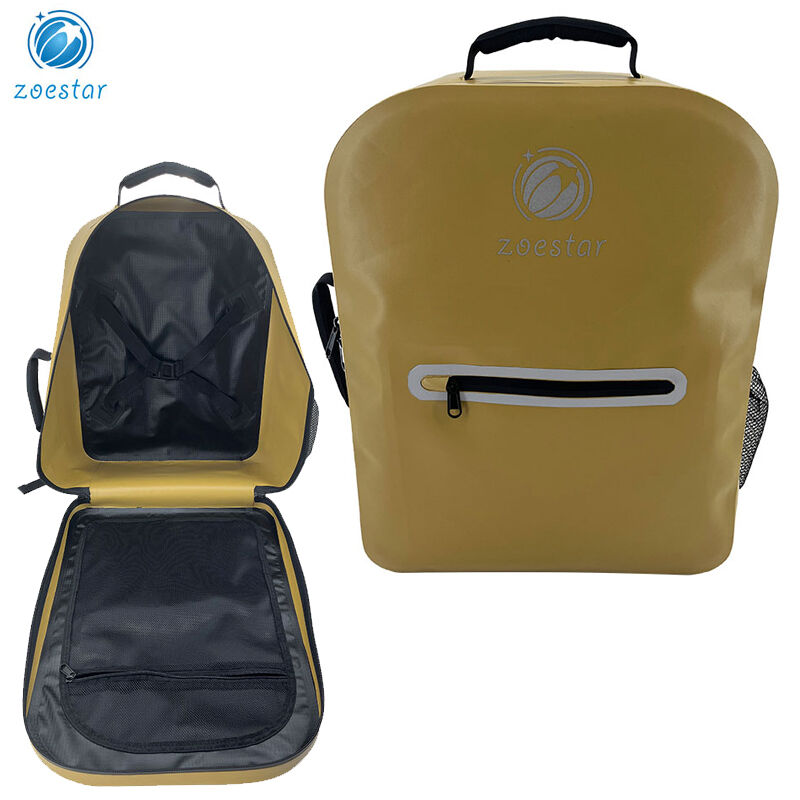
Corporate branding applications leverage advanced printing and embossing techniques to incorporate logos, company colors, and marketing messages directly into waterproof materials. Heat-transfer vinyl applications provide durable branding solutions that withstand continuous moisture exposure and UV radiation. These customization methods maintain the waterproof integrity of base materials while delivering professional appearance standards required for commercial applications.
Color-matching capabilities extend to hardware components, including buckles, zippers, and adjustment mechanisms. This comprehensive approach ensures visual consistency across all backpack elements while maintaining functional performance standards. Custom color development accommodates specific brand guidelines and Pantone specifications, enabling precise color reproduction that aligns with existing corporate identity systems.
Integrated reflective striping enhances visibility during low-light conditions while maintaining waterproof performance characteristics. These safety elements utilize retroreflective materials specifically engineered for marine environments, providing consistent visibility performance even when wet. Strategic placement of reflective components maximizes visibility angles while preserving the aesthetic appeal of custom designs.
High-visibility color options including safety orange, lime green, and bright yellow ensure maximum visibility in emergency situations. These colors undergo specialized UV-resistant treatments to prevent fading while maintaining vibrant appearance throughout extended outdoor exposure. The combination of high-visibility colors with reflective elements creates comprehensive safety solutions for professional and recreational applications.
Modular internal organization systems utilize removable dividers and adjustable compartments to accommodate varying equipment configurations. These systems maintain waterproof integrity through welded construction techniques while providing flexible storage solutions for diverse application requirements. Custom compartment sizing accommodates specific equipment dimensions, ensuring secure storage and easy access during active use scenarios.
Dedicated electronics compartments incorporate additional padding and moisture protection layers to safeguard sensitive equipment. These specialized storage areas feature reinforced construction and enhanced sealing mechanisms that provide superior protection beyond standard waterproofing requirements. The integration of electronics-specific storage solutions addresses the growing demand for technology protection in outdoor and marine environments.
Daisy-chain webbing systems provide versatile external attachment capabilities while maintaining streamlined profiles. These systems utilize marine-grade hardware and corrosion-resistant materials that withstand saltwater exposure and extreme weather conditions. Strategic placement of attachment points enables secure equipment mounting without compromising the waterproof integrity of primary storage compartments.
Integrated compression straps serve dual purposes by reducing overall pack volume during transport and providing external attachment capabilities for oversized equipment. These straps incorporate quick-release mechanisms and adjustable tensioning systems that accommodate varying load configurations. The combination of compression and attachment functionality maximizes carrying versatility while maintaining the compact profile essential for aquatic activities.
Radio-frequency welding processes create molecular bonds between waterproof materials, eliminating potential failure points associated with traditional stitching methods. These advanced manufacturing techniques ensure consistent quality across custom production runs while maintaining the flexibility required for complex design geometries. Automated welding systems provide precise temperature and pressure control, resulting in uniform seam quality that meets rigorous waterproofing standards.
Multi-stage quality control processes verify waterproof integrity at various production stages, including material inspection, assembly verification, and final performance testing. Each custom backpack undergoes submersion testing to confirm IPX8 waterproof ratings before shipment. These comprehensive testing protocols ensure consistent performance standards regardless of customization complexity or production volume requirements.
Accelerated aging tests simulate years of environmental exposure through controlled temperature cycling, UV radiation exposure, and chemical resistance evaluation. These testing protocols validate long-term performance characteristics and identify potential failure modes before products reach end users. The comprehensive testing approach ensures custom waterproof backpacks maintain performance standards throughout their intended service life.
Abrasion resistance testing evaluates material performance under simulated use conditions, including contact with rough surfaces, repeated loading cycles, and extreme temperature variations. These evaluations ensure custom designs maintain both aesthetic appeal and functional performance throughout extended use periods. The integration of durability testing with customization processes guarantees that personalized features do not compromise overall product reliability.
Commercial fishing operations require specialized storage solutions that withstand continuous saltwater exposure while providing organized access to essential equipment. Custom configurations accommodate specific tool requirements, communication devices, and safety equipment mandated by maritime regulations. The durability and reliability of waterproof designs make them essential equipment for professional maritime applications where equipment failure could compromise safety.
Offshore energy sectors utilize custom waterproof backpacks for equipment transportation during helicopter transfers and platform operations. These applications demand enhanced safety features, including emergency signaling capabilities and rapid identification systems. The customization process addresses specific industry requirements while maintaining compliance with safety standards and operational protocols governing offshore work environments.
Guided adventure tour operators leverage branded custom backpacks to enhance client experiences while promoting corporate identity. These applications balance functional performance requirements with marketing objectives, creating products that serve as both equipment and promotional tools. The durability and professional appearance of custom designs contribute to positive customer experiences and brand recognition in competitive tourism markets.
Adventure racing events utilize custom waterproof backpacks as both participant equipment and sponsor promotional vehicles. These applications require rapid customization capabilities and consistent quality standards to support event logistics and participant safety requirements. The visibility and functionality of custom designs make them effective promotional tools while providing essential equipment for challenging outdoor conditions.
Most manufacturers require minimum orders of 100 to 500 units for custom waterproof backpack production, depending on the complexity of customization requirements. Simple color changes or basic logo applications may have lower minimums, while complex design modifications or unique materials typically require larger production runs. The minimum quantity requirements help manufacturers achieve cost-effective production while maintaining quality standards across custom orders.
The complete timeline from initial consultation to finished product delivery ranges from 4 to 12 weeks, depending on customization complexity and production schedules. Simple modifications may require as little as 3 weeks, while comprehensive custom designs involving new materials or unique configurations can extend to 16 weeks. Factors affecting timeline include sample approval processes, material sourcing requirements, and quality testing protocols specific to waterproof performance standards.
Custom waterproof backpacks can achieve various international certifications including IPX8 waterproof ratings, CE marking for European markets, and ASTM standards for material performance. Additional certifications may include UV resistance testing, abrasion resistance standards, and chemical compatibility evaluations. The specific certifications required depend on intended applications and target markets, with manufacturers providing documentation to support certification requirements throughout the production process.
While some design elements can be adapted for waterproof construction, most effective waterproof backpacks require ground-up design approaches to ensure proper sealing and material integration. Retrofitting existing designs often compromises waterproof integrity and may result in performance issues. Custom manufacturers typically recommend developing new designs that incorporate waterproof principles from the initial concept stage to achieve optimal performance and reliability standards.