 EN
EN

The travel industry is experiencing a remarkable transformation as sustainability takes center stage in how we plan and pack for our journeys. The emergence of luggage made from recycled materials represents a significant shift in how manufacturers and consumers approach travel gear. This innovative approach not only reduces environmental impact but also creates durable, stylish pieces that rival traditional luggage options.
Modern travelers are increasingly conscious of their environmental footprint, demanding products that align with their values while maintaining high performance standards. The integration of recycled materials in suitcase production has become more than just a trend – it's a movement toward responsible consumption that's reshaping the entire travel goods industry.
The transformation of post-consumer waste into premium luggage materials involves sophisticated processing techniques. Plastic bottles, fishing nets, and industrial waste undergo rigorous sorting, cleaning, and processing to create high-grade polymers suitable for luggage construction. These recycled materials undergo extensive testing to ensure they meet or exceed the durability standards of virgin materials.
Advanced manufacturing technologies allow for the precise combination of different recycled materials to achieve optimal strength and flexibility. The result is a product that not only supports environmental sustainability but also delivers exceptional performance in real-world travel conditions.
Today's recycled materials offer remarkable advantages in luggage construction. Recycled polyester from PET bottles provides excellent durability while maintaining a lighter weight than traditional materials. Reclaimed aluminum and other metals contribute to structural integrity while reducing the demand for new resource extraction.
Engineers have developed innovative bonding techniques that ensure recycled materials maintain their integrity through years of use. These advancements have made it possible to create luggage that withstands the rigors of travel while maintaining its commitment to sustainability.
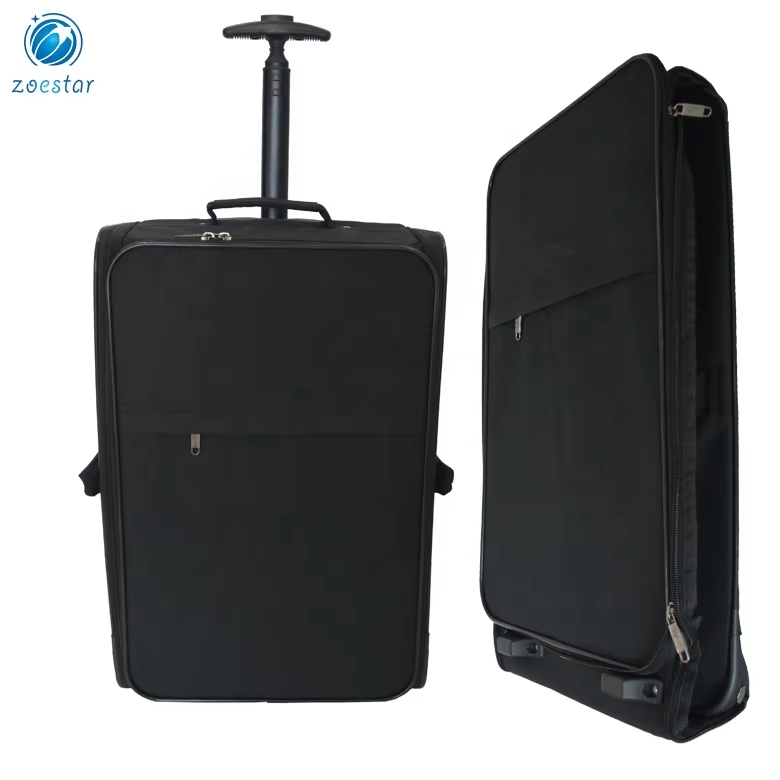
Selecting luggage made from recycled materials significantly reduces the carbon footprint of travel gear production. Each piece diverts substantial amounts of waste from landfills and oceans while requiring less energy to produce compared to virgin materials. This choice supports circular economy principles and helps preserve natural resources for future generations.
The environmental benefits extend beyond waste reduction. Manufacturing processes for recycled materials typically consume less water and energy, resulting in decreased greenhouse gas emissions. This cumulative effect creates a meaningful impact on global sustainability efforts.
Contrary to common misconceptions, luggage made from recycled materials often demonstrates superior durability. The refined processing techniques result in materials that resist wear and tear effectively. Many manufacturers subject their recycled materials to rigorous testing protocols, ensuring they meet or exceed industry standards for strength and longevity.
The enhanced durability translates to extended product life spans, reducing the frequency of replacements and further minimizing environmental impact. This longevity makes recycled material luggage a smart investment for both frequent and occasional travelers.
Modern sustainable luggage designs prove that eco-friendly choices need not compromise style. Manufacturers have mastered techniques to create sophisticated textures and finishes from recycled materials, offering aesthetically pleasing options that appeal to design-conscious travelers. The unique characteristics of recycled materials often lead to distinctive patterns and surface treatments that set these pieces apart.
Color technologies have advanced significantly, allowing for vibrant and lasting finishes on recycled materials. This development has expanded the creative possibilities for designers, resulting in collections that cater to diverse style preferences while maintaining their environmental credentials.
Contemporary sustainable luggage incorporates innovative features that enhance user experience. Manufacturers are integrating smart storage solutions, ergonomic handles, and smooth-rolling wheels – all constructed with recycled materials. These advancements demonstrate that sustainability and functionality can coexist seamlessly.
Many designs now include modular components that can be easily replaced or recycled, extending the product's lifespan and reducing waste. This forward-thinking approach to product design represents the future of sustainable travel gear.
Luggage made from recycled materials undergoes rigorous testing and often matches or exceeds the durability of traditional materials. Advanced processing techniques ensure that these products maintain their structural integrity through extensive use and various travel conditions.
While initial costs may be slightly higher due to specialized manufacturing processes, recycled material luggage often provides better long-term value through superior durability and longevity. The price difference has also decreased as sustainable manufacturing technologies have become more efficient.
Common materials include recycled PET from plastic bottles, reclaimed aluminum, recycled nylon from fishing nets, and post-industrial plastic waste. These materials undergo sophisticated processing to ensure they meet high-quality standards for luggage construction.