 EN
EN

The explosive growth of pickleball worldwide has created unprecedented demand for specialized sports equipment, with pickleball bags leading the charge in athletic gear innovation. As the fastest-growing sport in America and gaining momentum internationally, pickleball has transformed from a backyard hobby into a professional sport requiring dedicated equipment solutions. Modern pickleball bags have evolved far beyond simple carrying cases, incorporating advanced materials, ergonomic designs, and multi-functional features that cater to both recreational players and tournament professionals. The global sports market's expansion has directly influenced how manufacturers approach pickleball bags, integrating cutting-edge technology with practical functionality. This evolution reflects broader trends in sports equipment manufacturing, where consumer expectations drive continuous innovation and customization.
The international sports equipment market has experienced remarkable expansion, with pickleball contributing significantly to this growth trajectory. Market analysts project continued double-digit growth rates for specialized sports equipment, particularly in racket sports categories where pickleball bags represent a crucial segment. Regional variations in sport adoption patterns have influenced manufacturing strategies, with companies adapting their pickleball bags to meet diverse cultural preferences and playing environments. North American markets emphasize durability and weather resistance, while European consumers prioritize compact designs suitable for urban transportation systems.
Asian markets have emerged as manufacturing powerhouses for pickleball bags, leveraging advanced textile technologies and cost-effective production methods. The democratization of pickleball across age groups has expanded the target demographic for specialized equipment, requiring manufacturers to develop pickleball bags that accommodate varying physical capabilities and storage needs. Professional tournaments worldwide have established specific equipment standards, indirectly influencing consumer preferences for tournament-grade pickleball bags even among recreational players.
Contemporary pickleball enthusiasts demonstrate sophisticated preferences when selecting equipment, with pickleball bags serving as status symbols and functional necessities simultaneously. Research indicates that players invest significantly in quality storage solutions, viewing pickleball bags as long-term investments rather than disposable accessories. The rise of social media has amplified the importance of aesthetically pleasing equipment, driving demand for stylish pickleball bags that photograph well for online sharing.
Environmental consciousness among sports consumers has pushed manufacturers toward sustainable materials and production methods for pickleball bags. Multi-generational playing groups within families have created demand for versatile pickleball bags that accommodate equipment for multiple players simultaneously. The frequency of tournament travel has increased requirements for TSA-compliant and airline-friendly pickleball bags with specialized compartments for paddles, balls, and accessories.
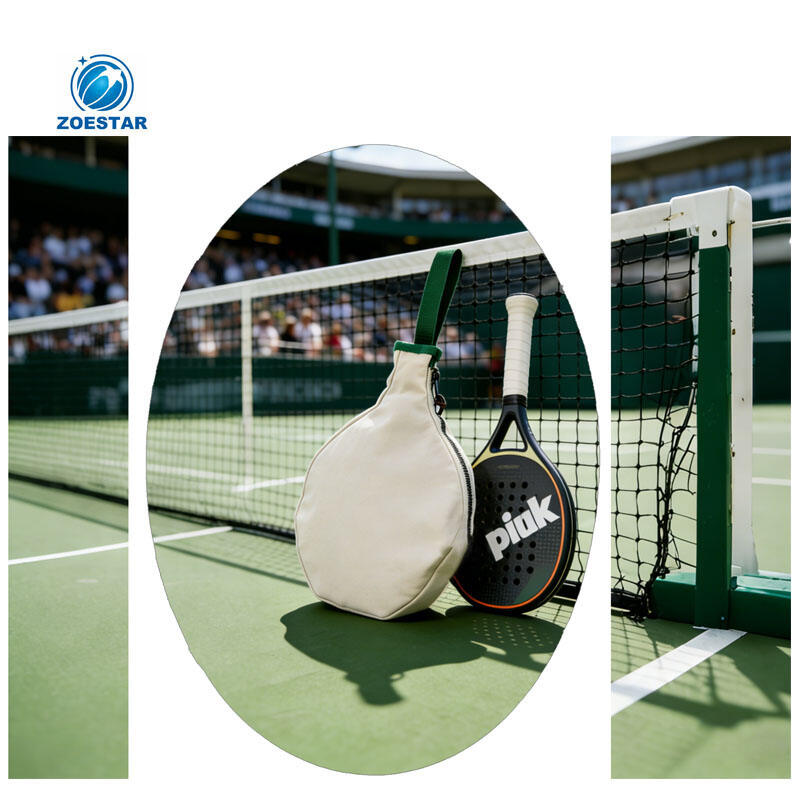
Modern pickleball bags incorporate aerospace-grade materials and manufacturing techniques previously reserved for high-performance outdoor gear. Waterproof membranes, tear-resistant fabrics, and UV-protective coatings extend the lifespan of pickleball bags while maintaining lightweight construction essential for portable sports equipment. Temperature-regulating materials help protect sensitive equipment stored within pickleball bags, particularly important for paddle maintenance and ball preservation in varying climates.
Anti-microbial treatments integrated into fabric construction address hygiene concerns associated with sports equipment storage, making pickleball bags more appealing to health-conscious consumers. Smart fabric technologies enable some premium pickleball bags to provide moisture-wicking properties and odor control without requiring frequent washing. Reflective elements enhance safety for players traveling to and from courts during low-light conditions, adding functional value to pickleball bags beyond basic storage capacity.
Biomechanical research has revolutionized the design of pickleball bags, with manufacturers consulting physical therapists and sports medicine professionals to optimize carrying comfort. Adjustable strap systems accommodate different body types and carrying preferences, reducing strain associated with transporting equipment to courts and tournaments. Weight distribution technologies borrowed from hiking and military applications ensure that loaded pickleball bags maintain balance and stability during transport.
Modular compartment systems allow users to customize their pickleball bags according to specific equipment combinations and personal organization preferences. Quick-access pockets positioned strategically on pickleball bags enable players to retrieve frequently used items without fully unpacking their equipment. Ventilation systems integrated into modern pickleball bags prevent moisture accumulation and equipment degradation during extended storage periods.
Manufacturers have developed region-specific versions of pickleball bags to address varying environmental challenges across global markets. Tropical climate versions emphasize ventilation and moisture control, while cold-weather pickleball bags incorporate insulation and frost-resistant zippers. Desert region adaptations focus on dust protection and UV resistance, extending equipment life in harsh sunlight conditions common to many outdoor pickleball facilities.
Humidity control features in pickleball bags prevent equipment deterioration in coastal and high-moisture environments where many courts are located. Snow and ice consideration have led to specialized grip surfaces on pickleball bags, improving handling safety during winter months in northern climates. Seasonal adaptability allows some pickleball bags to transform configurations based on weather conditions and equipment requirements.
European markets have influenced the development of compact, urban-friendly pickleball bags suitable for public transportation and limited storage spaces in city apartments. Japanese aesthetic principles have inspired minimalist designs in premium pickleball bags that emphasize clean lines and functional beauty. Scandinavian design influences promote simplicity and durability in pickleball bags, reflecting cultural values of sustainable consumption and long-term equipment investment.
Latin American markets have driven colorful, expressive designs in pickleball bags that reflect regional artistic traditions and celebration of sports as community activities. Professional endorsements from international players have globalized certain design features in pickleball bags, creating universal appeal across diverse markets. Cultural sensitivity in marketing and design ensures that pickleball bags remain appropriate and appealing across different social contexts and religious considerations.
Automated manufacturing processes have improved consistency and quality control in pickleball bags production while reducing costs and delivery times. Computer-aided design systems enable rapid prototyping and testing of new pickleball bags concepts, accelerating innovation cycles and market responsiveness. Lean manufacturing principles optimize material usage and minimize waste in pickleball bags production, supporting environmental sustainability goals.
Quality assurance protocols specific to sports equipment ensure that pickleball bags meet durability standards required for intensive use and transportation. Supply chain diversification reduces dependency on single-source materials and manufacturing locations, improving resilience for pickleball bags availability during global disruptions. Just-in-time inventory management enables manufacturers to respond quickly to seasonal demand fluctuations for pickleball bags without maintaining excessive stock levels.
Recycled materials integration in pickleball bags manufacturing addresses growing environmental consciousness among sports consumers while maintaining performance standards. Carbon footprint reduction initiatives include local sourcing strategies and renewable energy adoption in facilities producing pickleball bags. End-of-life programs allow consumers to return worn pickleball bags for recycling or refurbishment, creating circular economy models in sports equipment.
Biodegradable components in pickleball bags reduce environmental impact without compromising functionality or durability during normal use periods. Water-based adhesives and dyes eliminate harmful chemical releases during pickleball bags production and disposal processes. Sustainable packaging solutions for pickleball bags minimize shipping volume and utilize recyclable materials throughout the distribution chain.
Smart technology integration represents the next frontier for pickleball bags, with GPS tracking, equipment monitoring, and mobile app connectivity being developed for premium models. Biometric sensors embedded in pickleball bags could provide players with performance data and equipment usage analytics to optimize their game development. Wireless charging capabilities built into pickleball bags would address the growing need for device power management during extended tournament days.
Augmented reality applications could guide users through optimal packing configurations for their pickleball bags, ensuring equipment protection and organization efficiency. Artificial intelligence might eventually customize pickleball bags recommendations based on playing style, frequency, and personal preferences gathered through connected devices. Blockchain technology could verify authenticity and track ownership history of premium pickleball bags, addressing counterfeiting concerns in luxury sports equipment markets.
Emerging markets in Asia, Africa, and South America present significant growth opportunities for pickleball bags as the sport gains international recognition and participation. Educational institutions worldwide are incorporating pickleball into physical education curricula, creating institutional demand for durable, cost-effective pickleball bags designed for shared use. Corporate wellness programs increasingly include pickleball facilities, generating bulk purchase opportunities for customized pickleball bags with company branding.
Retirement communities and senior living facilities represent growing market segments for specialized pickleball bags designed with accessibility features and age-appropriate functionality. Youth programs and junior tournaments create demand for smaller, lightweight pickleball bags suitable for developing players with different physical requirements. Therapeutic and adaptive sports programs require specialized pickleball bags accommodating medical equipment and accessibility tools alongside traditional sports gear.
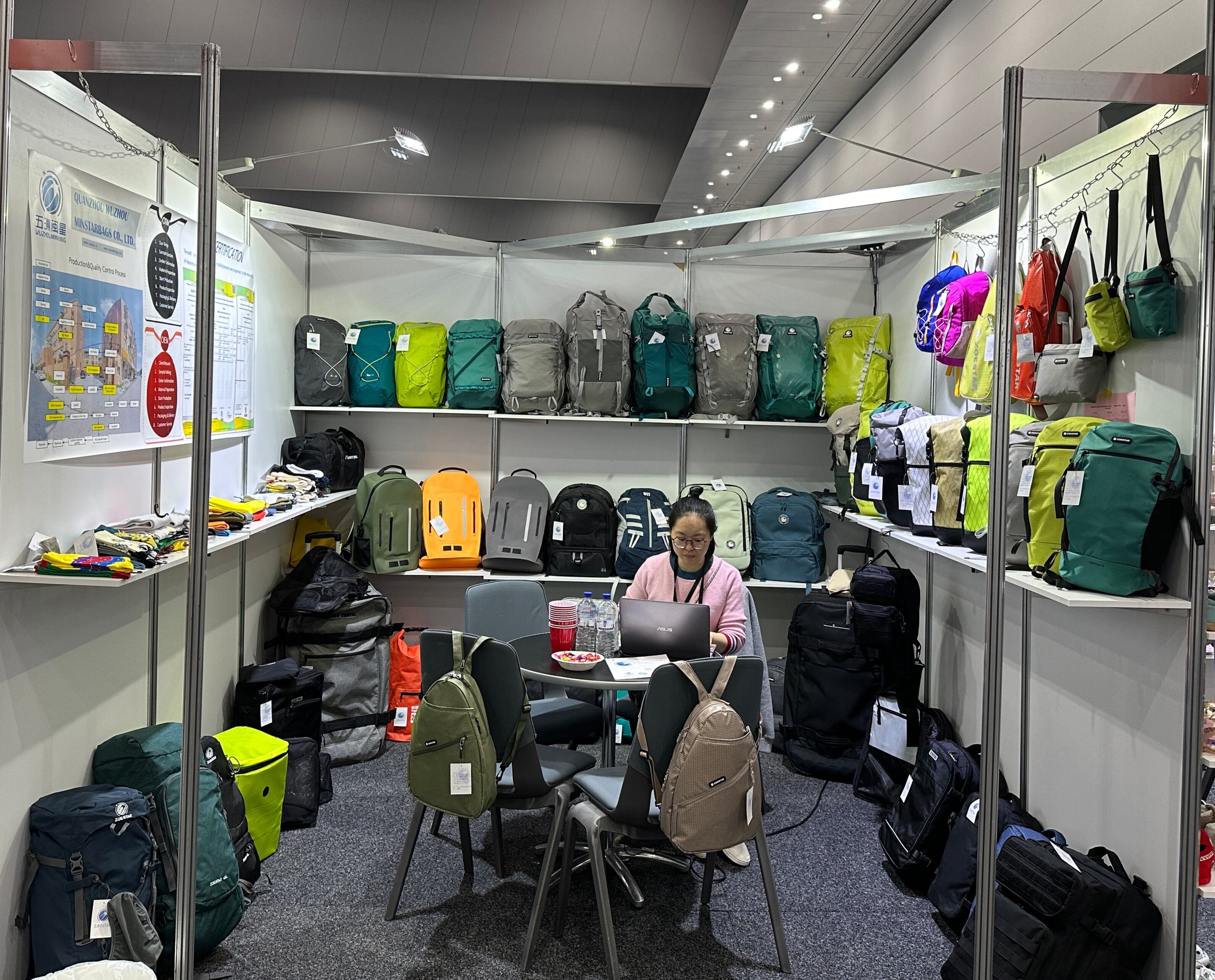
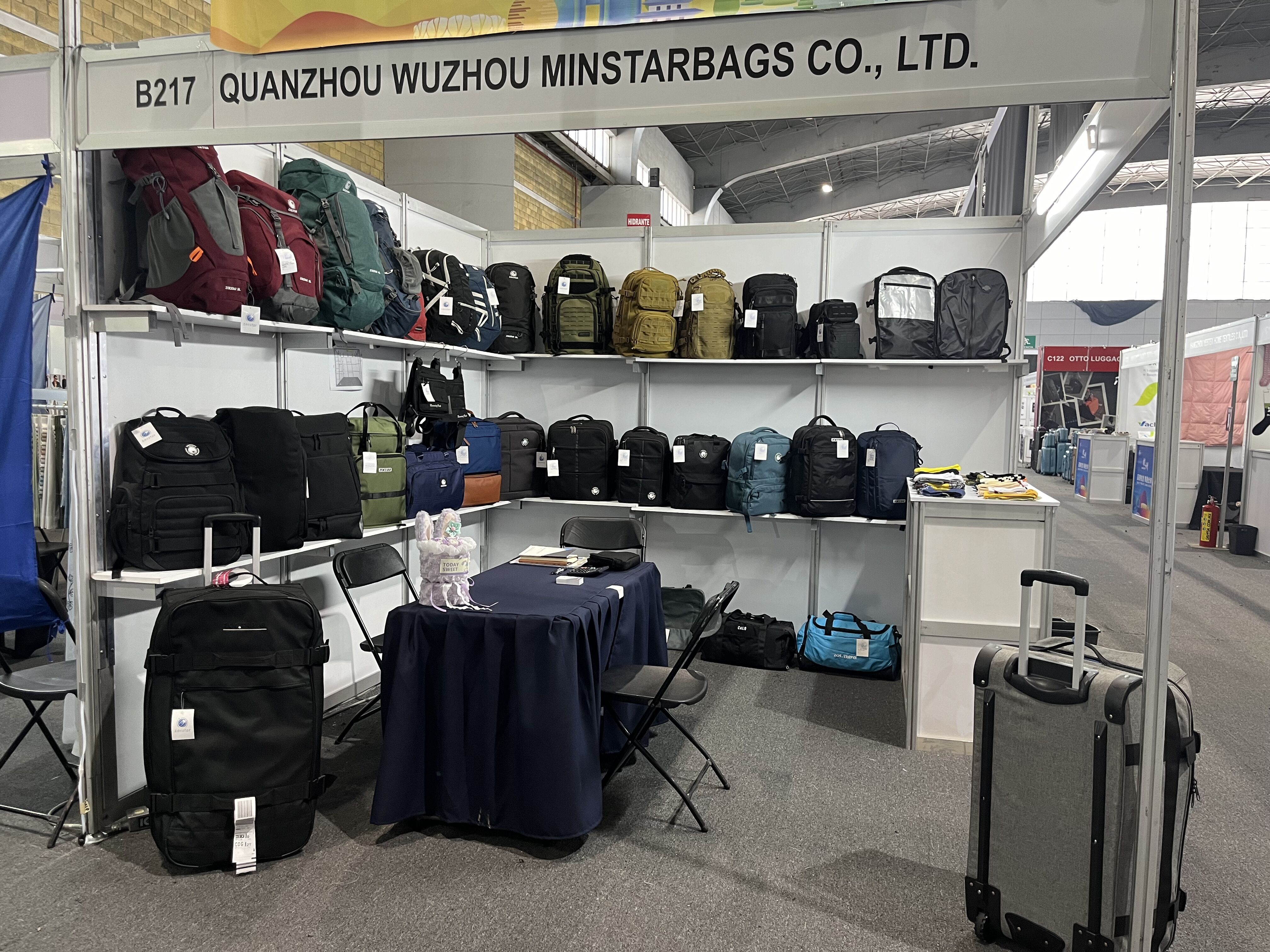
Zoestar Bags is a BSCI- and GRS-certified OEM factory experienced in producing sports bags for international brands and distributors. We offer scalable production, flexible customization, and sustainable material options tailored to different regional market demands. With stable supply capacity and strict quality control, we support long-term global distribution of competitive pickleball bag collections.
Climate significantly influences optimal pickleball bags choice, with humid environments requiring enhanced ventilation and moisture control features. Cold climates benefit from pickleball bags with frost-resistant zippers and insulation properties, while hot climates need UV protection and heat-reflective materials. Coastal areas demand salt-resistant hardware and corrosion-proof components to maintain pickleball bags functionality over time.
Quality pickleball bags justify higher costs through superior durability, better equipment protection, and enhanced user experience even for recreational players. Premium pickleball bags often include warranties and customer service that extend value beyond initial purchase price. However, casual players should balance features against actual usage needs, as basic models may provide adequate functionality for occasional play.
Global sports market expansion has driven innovation in pickleball bags through increased competition, technology transfer from other sports, and diverse consumer demands. International manufacturing capabilities have improved quality while reducing costs, making advanced pickleball bags accessible to broader market segments. Cross-pollination of design ideas from tennis, badminton, and other racket sports has enhanced functionality and aesthetic appeal of modern pickleball bags.