 EN
EN

Tennis clubs and training academies face unique challenges when it comes to equipment management and organization. A well-designed tennis bag serves as more than just a storage solution—it becomes an essential tool that enhances the overall experience for both coaches and players. From accommodating multiple rackets to organizing training accessories, the right tennis bag can significantly impact the efficiency and professionalism of any tennis facility.
Modern tennis facilities require equipment solutions that address the diverse needs of their members and students. A professional tennis bag must accommodate varying skill levels, from beginners who need basic storage to advanced players requiring specialized compartments for tournament preparation. Understanding these requirements helps facilities make informed decisions about equipment recommendations and bulk purchasing options.
The selection process for tennis bags in institutional settings differs significantly from individual purchases. Clubs must consider durability, cost-effectiveness, and functionality across multiple users. Training academies particularly benefit from standardized tennis bag solutions that streamline equipment management while maintaining professional appearance standards.
Effective compartmentalization stands as the cornerstone of any quality tennis bag designed for institutional use. Professional facilities require bags with dedicated spaces for rackets, shoes, apparel, and accessories. The ideal tennis bag configuration includes separate ventilated compartments for sweaty gear, ensuring hygiene standards remain high across multiple users throughout training sessions.
Advanced organization systems within a tennis bag should feature adjustable dividers and removable panels. This flexibility allows coaches to customize storage based on specific training requirements or seasonal equipment changes. Mesh pockets provide visibility for smaller items while maintaining easy access during practice sessions.
Temperature-sensitive compartments represent another crucial feature for modern tennis bag designs. Insulated sections protect sensitive equipment like string reels and electronic devices from extreme weather conditions, particularly important for outdoor facilities and traveling teams.
Tennis clubs and academies subject equipment to significantly more wear than individual users. A commercial-grade tennis bag must withstand constant loading, unloading, and transportation across various surfaces. Reinforced stress points, heavy-duty zippers, and abrasion-resistant materials become non-negotiable requirements in these environments.
Material selection plays a vital role in determining the longevity of any tennis bag intended for institutional use. Ballistic nylon, ripstop fabrics, and waterproof coatings ensure protection against moisture, UV damage, and general wear. These materials maintain their integrity even after months of intensive use by multiple individuals.
Quality hardware components, including buckles, straps, and zippers, must meet commercial standards to prevent premature failure. YKK zippers and military-grade buckles represent industry benchmarks for reliability in professional tennis bag applications.

Professional tennis facilities often manage inventory of multiple rackets per player, requiring sophisticated storage solutions. An effective tennis bag for institutional use should accommodate 6-12 rackets while providing individual protection for each frame. Padded dividers prevent contact damage during transportation and storage.
String tension maintenance becomes crucial for academy-level equipment management. Specialized tennis bag designs incorporate climate-controlled sections that help preserve string tension and prevent premature deterioration. These features prove particularly valuable for facilities in extreme climate conditions.
Racket identification systems within the tennis bag structure streamline equipment distribution during group sessions. Color-coded tags, numbered slots, or transparent windows allow coaches to quickly locate specific rackets without extensive searching through multiple compartments.
Proper footwear storage represents a significant hygiene consideration for tennis facilities. A well-designed tennis bag includes ventilated shoe compartments with antimicrobial treatments to prevent odor accumulation and bacterial growth. Separate chambers for clean and used footwear maintain sanitation standards across training sessions.
Apparel organization within a tennis bag should accommodate both practice and competition clothing. Quick-access pockets for frequently changed items like shirts and socks improve efficiency during training transitions. Mesh panels provide ventilation while maintaining visibility of contents.
Laundry separation systems integrated into tennis bag designs help maintain cleanliness standards. Removable laundry bags or waterproof compartments prevent cross-contamination between clean and soiled items, particularly important in shared equipment scenarios.
Tennis clubs and academies frequently transport equipment between courts, storage areas, and vehicles. A versatile tennis bag should offer multiple carrying configurations including backpack straps, shoulder handles, and wheeled options. This flexibility accommodates different user preferences and physical capabilities among staff and students.
Weight distribution technology in modern tennis bag designs reduces strain during extended carrying periods. Padded straps, load-leveling systems, and ergonomic back panels ensure comfort even when the bag reaches full capacity. These features prove essential for coaches managing multiple bags during tournament travel.
Stability features such as reinforced bottoms and balanced weight distribution prevent tennis bag tipping during transport. Non-slip bases keep bags secure on various surfaces, from locker room floors to vehicle interiors.
Outdoor tennis facilities require equipment that withstands diverse weather conditions. A professional-grade tennis bag must provide comprehensive weather protection through sealed seams, waterproof zippers, and treated fabrics. Rain covers or integrated weather shields offer additional protection during severe conditions.
UV resistance becomes particularly important for tennis bags used in sunny climates. Extended sun exposure can degrade synthetic materials and fade colors, impacting both functionality and professional appearance. UV-stabilized materials maintain integrity and appearance over extended outdoor use.
Temperature extremes affect both the tennis bag materials and contents. Insulated compartments protect sensitive equipment while flexible materials prevent cracking in cold conditions. Heat-resistant components ensure zippers and hardware remain functional in high-temperature environments.
Tennis academies and clubs can achieve significant cost savings through strategic bulk purchasing of standardized tennis bag models. Volume discounts, extended warranties, and customization options become available when ordering multiple units. These benefits help facilities provide consistent quality while managing operational budgets effectively.
Standardization of tennis bag models across a facility simplifies maintenance, replacement, and user training. Staff familiarity with consistent designs improves efficiency in equipment management and student instruction. Spare parts availability also becomes more manageable with standardized models.
Partnership opportunities with manufacturers often emerge from institutional relationships. Custom branding, specific color schemes, and modified features can enhance facility identity while maintaining cost-effectiveness. These partnerships may include replacement programs and ongoing support services.
Total cost of ownership for a tennis bag extends beyond initial purchase price to include durability, maintenance requirements, and replacement frequency. High-quality models may command premium pricing but deliver superior value through extended service life and reduced replacement costs.
Warranty coverage and repair services significantly impact the long-term value proposition of any tennis bag investment. Comprehensive warranties protect against manufacturing defects while repair services extend product life through professional maintenance and component replacement.
User satisfaction metrics help facilities evaluate tennis bag performance over time. Feedback from coaches, students, and staff provides valuable insights into real-world performance and helps guide future purchasing decisions.
Regular cleaning protocols ensure tennis bag hygiene standards meet health requirements for shared equipment. Removable liners, washable components, and antimicrobial treatments simplify sanitization processes. These features prove essential for facilities serving multiple users daily.
Deep cleaning capabilities distinguish professional-grade tennis bag models from consumer versions. Machine-washable components, waterproof interiors, and chemical-resistant materials allow thorough sanitization without damaging bag structure or function.
Documentation of cleaning procedures and schedules helps facilities maintain consistent hygiene standards. Color-coded tags or digital tracking systems can monitor tennis bag cleaning status and ensure compliance with health regulations.
Proactive maintenance extends tennis bag service life while preventing unexpected failures during critical periods. Regular inspection of zippers, straps, and structural components identifies potential issues before they compromise functionality.
Replacement part availability becomes crucial for maintaining tennis bag inventory over extended periods. Manufacturers offering spare components, repair kits, and upgrade options provide better long-term value for institutional purchasers.
Staff training in proper tennis bag care and handling reduces premature wear and extends product life. Simple procedures like proper loading, storage positioning, and cleaning techniques significantly impact durability outcomes.
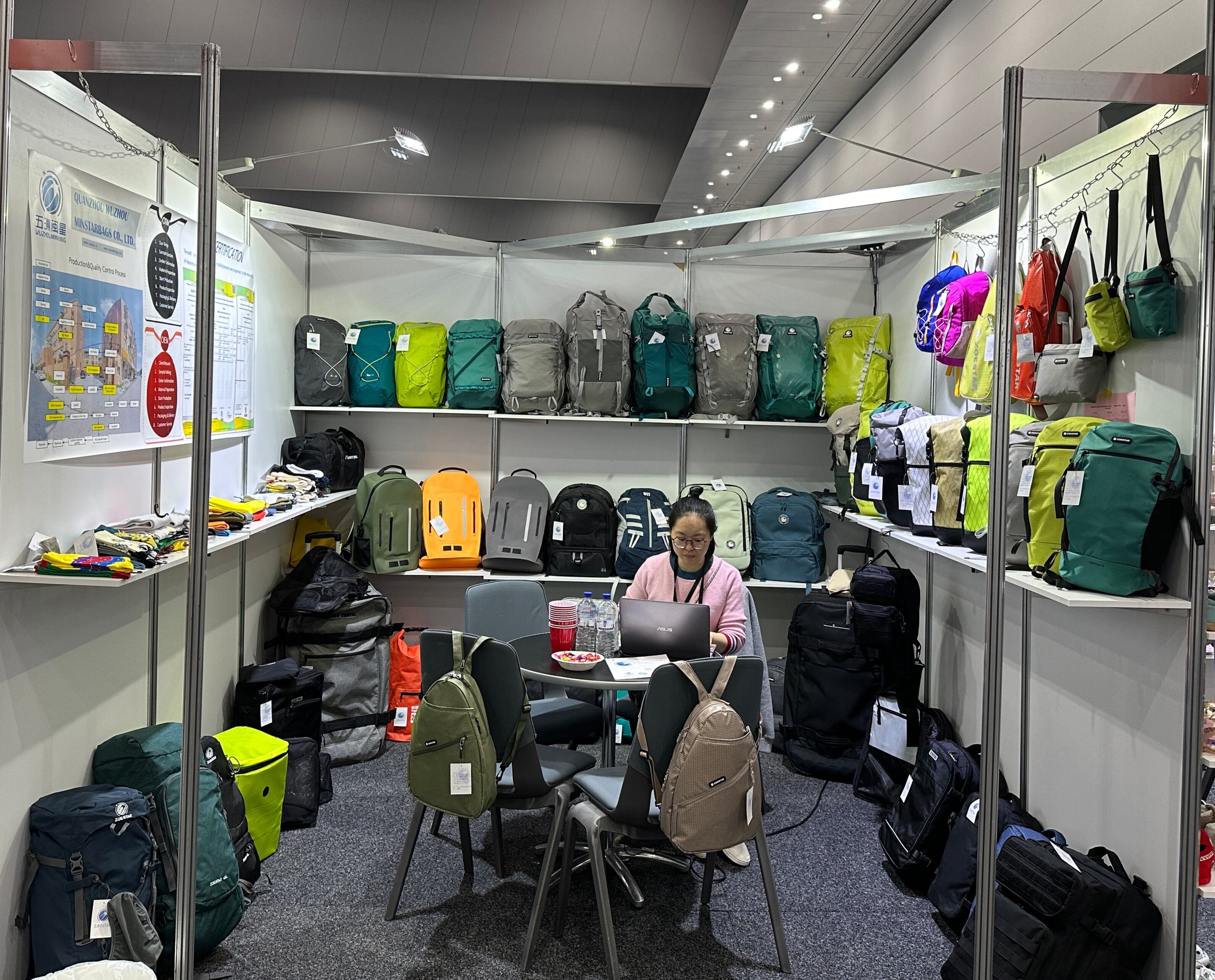
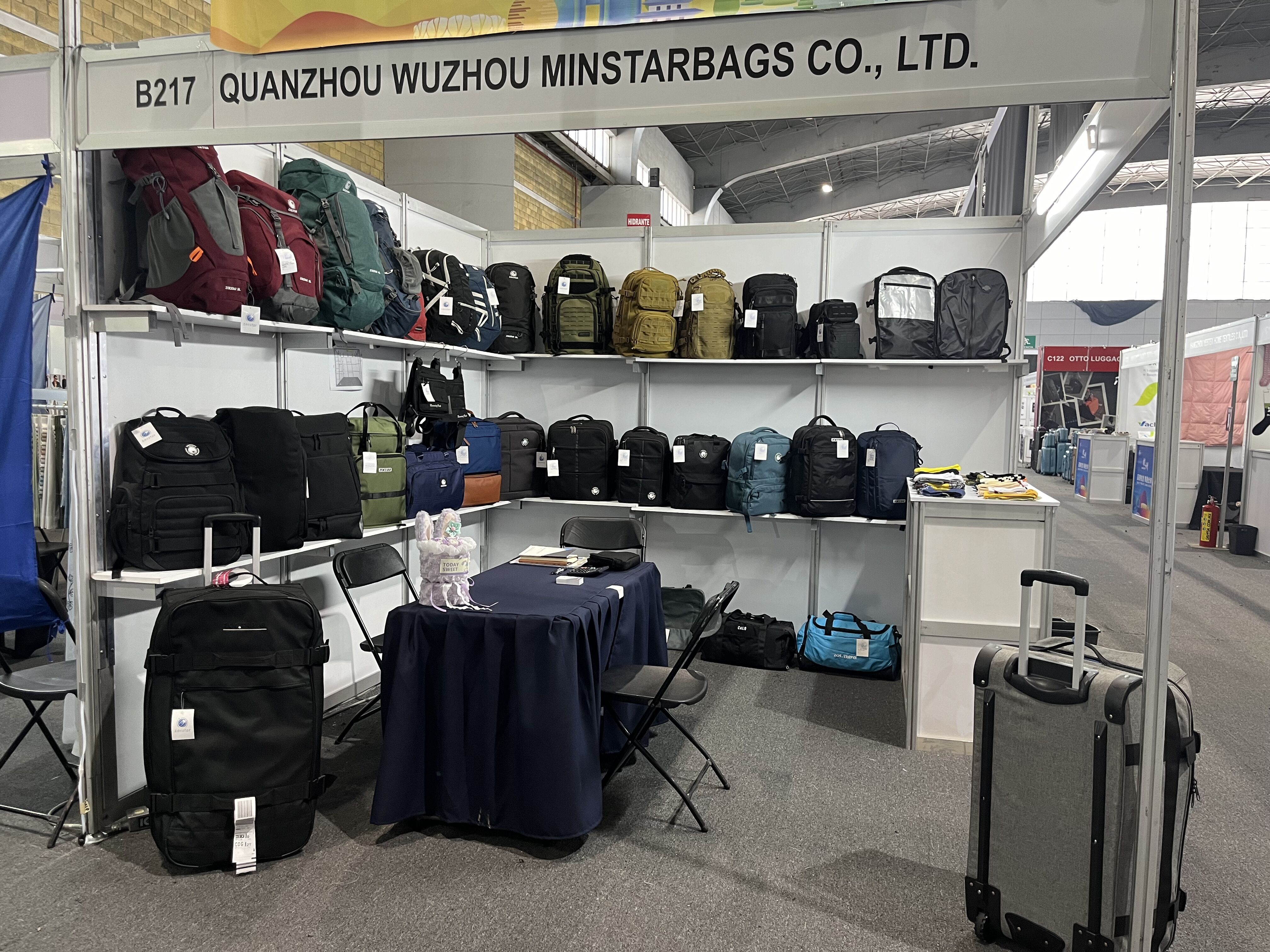
Zoestar Bags is a BSCI- and GRS-certified OEM factory experienced in producing high-quality sports and equipment bags for clubs and international distributors. For tennis academies, we offer durable tennis bag solutions with reinforced stitching, practical multi-compartment layouts, and materials suitable for high-frequency institutional use. We support OEM and ODM customization, including private labeling, color matching, and structural adjustments to meet academy standards. Stable production capacity and competitive factory pricing help clubs ensure consistent supply and long-term cost efficiency.
High-quality tennis bags used in club environments typically last 2-4 years with proper maintenance. Usage frequency, storage conditions, and care protocols significantly impact lifespan. Facilities should evaluate bag condition annually and plan replacements based on wear patterns rather than arbitrary schedules.
Wheeled tennis bags offer excellent transport convenience for academies with smooth surfaces and vehicle transport needs. However, they may prove impractical for facilities with stairs, rough surfaces, or limited storage space. Convertible designs offering both wheeled and backpack options provide maximum versatility.
Ballistic nylon, ripstop polyester, and reinforced vinyl offer superior durability for high-use tennis bag applications. These materials resist tears, abrasion, and moisture while maintaining flexibility. Reinforced stress points with bartacked stitching and quality hardware components ensure long-term structural integrity under demanding conditions.