 EN
EN

The pickleball industry has experienced unprecedented growth over the past few years, creating new opportunities for manufacturers and retailers alike. As the sport continues to gain popularity across diverse demographics, the demand for specialized equipment has surged, particularly for high-quality carrying solutions. OEM pickleball bags represent a strategic opportunity for businesses looking to capitalize on this expanding market while meeting the unique requirements of different customer segments. Understanding how to develop and position these products effectively requires a deep dive into market dynamics, customization capabilities, and manufacturing considerations.
The pickleball community encompasses various player types, each with distinct preferences and requirements for their equipment bags. Recreational players typically seek affordable, functional solutions that can accommodate basic gear including paddles, balls, and personal items. These customers often prioritize value and durability over premium features. Competitive players and tournament participants require more sophisticated OEM pickleball bags with specialized compartments, enhanced protection, and professional aesthetics that reflect their serious approach to the sport.
Professional coaches and instructors represent another significant segment, often needing larger capacity bags that can hold multiple paddles, teaching aids, and organizational materials. Club and facility managers may require bulk orders of branded bags for their members or retail operations. Understanding these distinct customer profiles enables manufacturers to develop targeted product lines that address specific market needs while maintaining cost-effectiveness and scalability in production.
Current market trends indicate growing demand for multifunctional OEM pickleball bags that serve beyond simple equipment storage. Players increasingly seek bags that can transition from court to casual activities, incorporating features like laptop compartments, travel-friendly designs, and lifestyle aesthetics. Sustainability concerns are also driving demand for eco-friendly materials and manufacturing processes, presenting opportunities for manufacturers to differentiate their offerings through environmental responsibility.
Technology integration represents another emerging trend, with players interested in bags featuring smart compartments, charging capabilities, and organizational systems that enhance their overall playing experience. The rise of pickleball tourism and destination play has also increased demand for travel-specific bags that comply with airline regulations while providing maximum protection and convenience during transport.
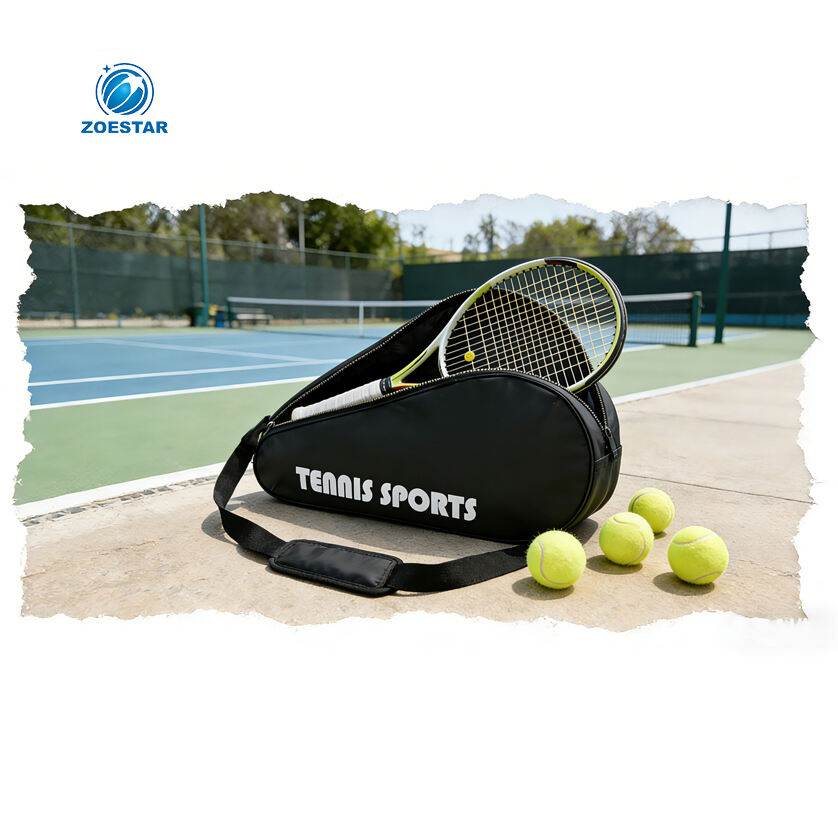
Modern OEM manufacturing capabilities allow for extensive customization in bag design, enabling brands to create distinctive products that resonate with their target markets. Color schemes can be tailored to match brand guidelines or appeal to specific demographic preferences, while fabric choices range from performance-oriented technical materials to lifestyle-focused options that emphasize style and versatility. Advanced printing and embroidery techniques enable complex logo placement, custom graphics, and personalization options that help brands build stronger connections with their customers.
Structural design modifications represent another key area of customization for OEM pickleball bags. Manufacturers can adjust compartment configurations, add specialized pockets for specific equipment types, and modify overall bag dimensions to meet unique market requirements. These design capabilities enable brands to create products that stand out in competitive retail environments while addressing functional needs that generic options cannot satisfy.
The integration of specialized functional features distinguishes custom OEM pickleball bags from standard sports bags. Ventilation systems for wet or sweaty gear, reinforced paddle compartments with protective padding, and organizational systems specifically designed for pickleball equipment represent key areas where customization adds significant value. These features require careful engineering and testing to ensure they perform effectively while maintaining overall bag durability and aesthetics.
Advanced manufacturing techniques enable the incorporation of innovative features such as expandable compartments, modular attachment systems, and convertible carrying configurations. These capabilities allow brands to create versatile products that adapt to different use scenarios while maintaining the specialized functionality that pickleball players demand. The ability to integrate such features during the OEM process ensures consistent quality and cost-effective production scaling.
Successful OEM pickleball bags require careful material selection that balances durability, functionality, and cost considerations. High-performance fabrics must withstand regular use, weather exposure, and the specific stresses associated with carrying pickleball equipment. Ripstop nylon and polyester blends offer excellent strength-to-weight ratios, while waterproof coatings and treatments protect equipment from moisture during outdoor play and storage.
Hardware components including zippers, buckles, and straps require particular attention in OEM production, as these elements often determine overall bag longevity and user satisfaction. Premium YKK zippers, reinforced stress points, and ergonomic handle designs contribute to products that meet professional quality standards while maintaining reasonable production costs. The selection of appropriate materials and components directly impacts the perceived value and market positioning of finished products.
Effective OEM pickleball bags production requires robust quality control systems that ensure consistency across large manufacturing runs while maintaining the flexibility needed for customization. Standardized testing procedures for structural integrity, component functionality, and aesthetic finish help maintain quality standards that protect brand reputation and customer satisfaction. These processes must be scalable to accommodate varying order sizes while preserving the attention to detail that distinguishes premium products.
Supply chain management plays a crucial role in maintaining consistent production quality and delivery schedules. Reliable material sourcing, component inventory management, and production planning systems enable manufacturers to meet customer requirements while minimizing waste and optimizing cost structures. These operational capabilities directly impact the ability to deliver competitive OEM pickleball bags that meet market demands and pricing expectations.
Effective market positioning for OEM pickleball bags requires thorough analysis of competitive landscapes, pricing structures, and customer preferences within specific market segments. Premium positioning strategies focus on superior materials, advanced features, and exclusive design elements that justify higher price points among serious players and enthusiasts. Mass market approaches emphasize value, accessibility, and broad appeal while maintaining adequate quality standards for recreational players.
Regional market variations also influence positioning strategies, as different geographic areas may have varying preferences for bag styles, features, and price points. Understanding these regional differences enables manufacturers to develop targeted product lines that maximize market penetration while maintaining efficient production processes. Successful positioning requires balancing differentiation with market accessibility to achieve sustainable competitive advantages.
OEM pickleball bags serve as powerful brand extension opportunities, allowing companies to leverage existing brand equity while entering new market segments. Consistent brand integration across bag design, packaging, and marketing materials reinforces brand recognition and customer loyalty. This approach requires careful coordination between manufacturers and brand partners to ensure quality standards and brand presentation meet established expectations.
Marketing support capabilities, including product photography, technical specifications, and promotional materials, add value to OEM partnerships by reducing customer development costs and time-to-market. These services help brands launch products more effectively while ensuring consistent presentation across different sales channels and marketing platforms. Comprehensive support packages distinguish full-service OEM providers from basic manufacturing operations.
The integration of technology features presents significant opportunities for differentiation in OEM pickleball bags. Smart compartments with RFID tracking, built-in charging systems for electronic devices, and temperature-controlled sections for sensitive items represent emerging possibilities that appeal to tech-savvy players. These innovations require careful engineering to maintain bag functionality while adding meaningful value that justifies premium pricing.
Modular design concepts enable customers to customize their bags according to specific needs and preferences, creating opportunities for ongoing engagement and additional revenue streams. Interchangeable components, expandable sections, and accessory attachment systems provide flexibility that appeals to serious players while offering manufacturers opportunities for product line extensions and recurring sales.
Growing environmental awareness among consumers creates opportunities for sustainable OEM pickleball bags that incorporate recycled materials, eco-friendly manufacturing processes, and end-of-life recyclability. These products appeal to environmentally conscious customers while supporting corporate sustainability initiatives and regulatory compliance requirements. Sustainable options often command premium pricing while building positive brand associations.
Circular economy principles applied to bag design and manufacturing enable new business models including take-back programs, refurbishment services, and material recycling initiatives. These approaches create additional value streams while demonstrating environmental responsibility that resonates with modern consumers and corporate customers seeking sustainable procurement options.
Can Zoestar Bags support private label and customized pickleball bag production
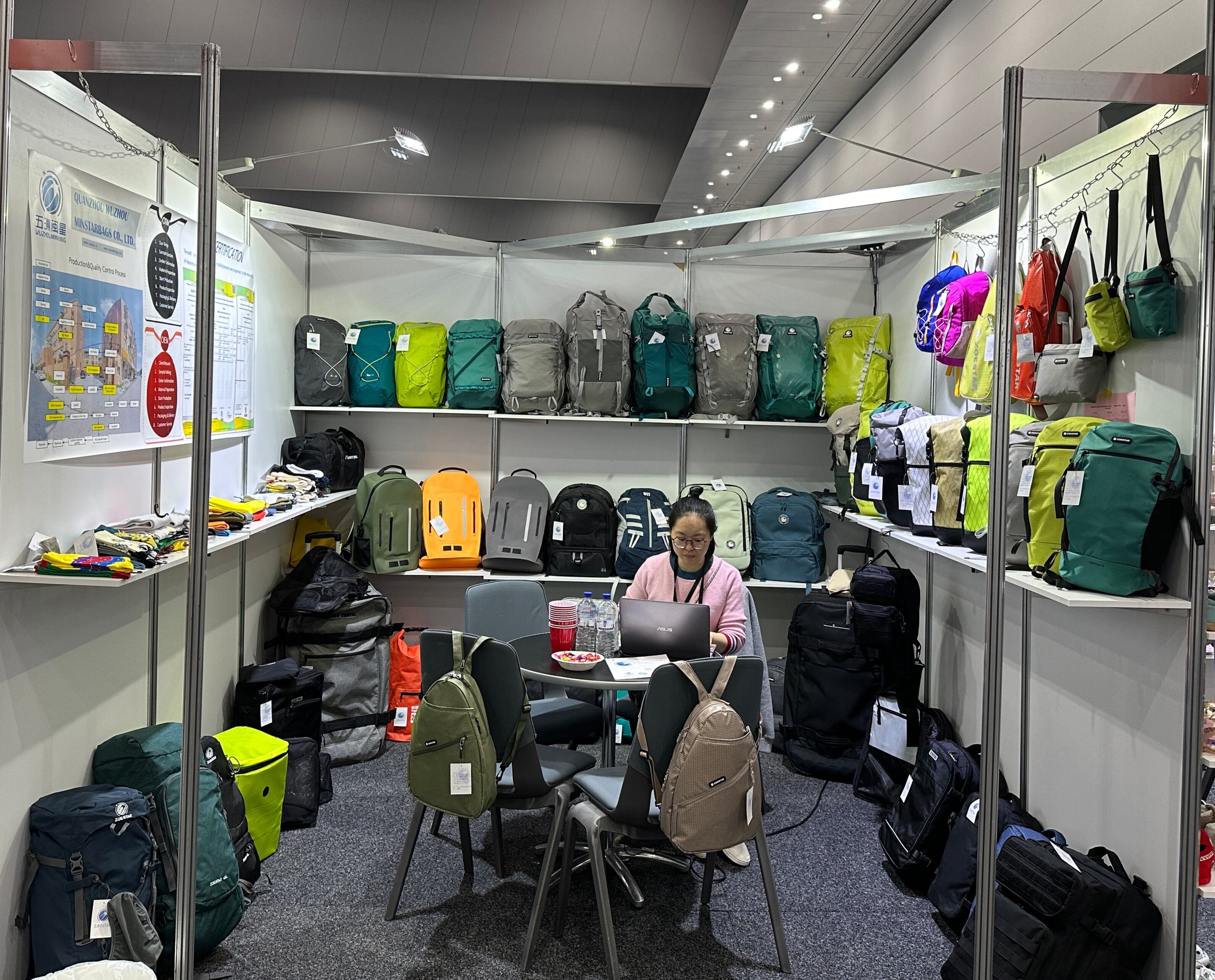
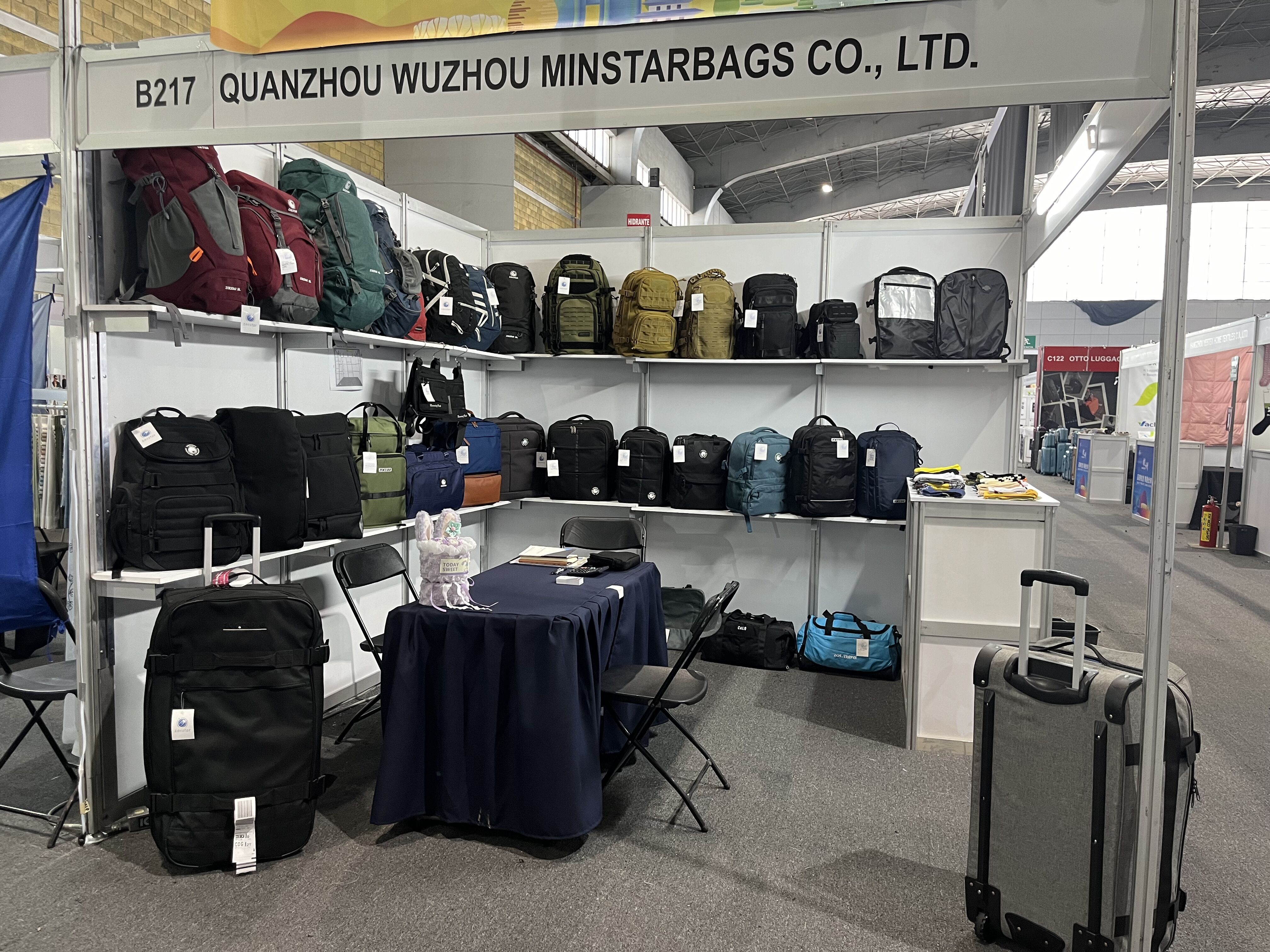
Yes. Zoestar Bags is a BSCI- and GRS-certified OEM factory experienced in manufacturing sports and equipment bags for international brands and distributors. We provide flexible private label solutions, including custom logo application, structural adjustments, material selection, and color development based on market positioning needs.
The development timeline for custom OEM pickleball bags generally spans 8 to 16 weeks from initial concept to production-ready samples. This timeframe includes design consultation, prototype development, testing, and refinement phases. Complex customizations or new feature integration may extend development time, while modifications to existing designs can often be completed more quickly. Clear communication and detailed specifications help optimize development timelines.
Color customization, logo placement, and functional compartment modifications typically provide the highest value for brand differentiation in OEM pickleball bags. These options create distinctive visual identity while adding practical benefits that customers appreciate. Specialized features like paddle compartments, ventilation systems, and organizational elements often justify premium pricing while creating strong competitive differentiation in retail environments.
Material selection significantly influences both production costs and market positioning for OEM pickleball bags. Premium fabrics and components can increase costs by 20-40% but enable positioning in higher value market segments with better margins. Mid-tier materials offer balanced cost-performance characteristics suitable for mainstream markets, while economy options support value positioning strategies. The key is aligning material choices with target customer expectations and price points to optimize market acceptance and profitability.